
Komatsu Bulldozer Specs: Complete Engineering Guide, Performance Analysis, Standards & Global Buying Insights
Welcome to our blog. We are Dingtui Construction Machinery, established in 2014 in Jining, Shandong Province, China’s construction machinery hub. With over 10 years of experience, we provide integrated solutions including machine sales, spare parts supply, after-sales service, and manufacturing.
👉 Follow us for updates on products and industry insights.
👉 Contact us for fast quotes and customized solutions.
Stay tuned for more expert content and industry knowledge from Dingtui Construction Machinery.
Table of Contents
Key Takeaways
- Deep technical breakdown of komatsu bulldozer specs across multiple model classes
- Engineering explanation of engine, hydraulic, and undercarriage systems
- Global construction and mining application scenarios
- Industry-standard comparisons (Komatsu vs Caterpillar vs Shantui)
- Lifecycle cost analysis and ownership economics
- Real-world project case studies with performance insights
- Maintenance engineering and failure prevention strategies
- Procurement guide for new and used bulldozers
- Global market trends and heavy equipment industry outlook
Introduction
In global construction, mining, and infrastructure development, komatsu bulldozer specs are not just technical numbers—they represent engineering capability, operational efficiency, and project profitability.
Komatsu bulldozers are widely used across more than 150 countries, forming a core part of heavy earthmoving fleets in road construction, mining operations, and large-scale land development projects.
According to global construction machinery reports (2025), bulldozers account for approximately 18–22% of total earthmoving equipment demand, with Komatsu consistently ranking among the top three manufacturers worldwide.
Understanding specifications such as horsepower, blade capacity, hydraulic flow, and ground pressure is essential for selecting the right machine for the right job.
Komatsu Bulldozer Specs Overview (Engineering Structure Breakdown)
Komatsu bulldozers are categorized into light, medium, heavy, and ultra-heavy classes.
Core Specification Dimensions
- Engine output (HP / kW)
- Operating weight (tons)
- Blade capacity (m³)
- Ground pressure (kPa)
- Transmission type
- Hydraulic system efficiency
- Undercarriage durability index
Komatsu Bulldozer Specs Table (Expanded Model Analysis)
| Model | Engine Power | Operating Weight | Blade Capacity | Ground Pressure | Application |
|---|---|---|---|---|---|
| D39EX | ~90 HP | 9–10 tons | 1.8–2.2 m³ | Low | Urban construction |
| D65EX | ~200 HP | 19–22 tons | 3.5–4.5 m³ | Medium | Road building |
| D85EX | ~285 HP | 28–30 tons | 5–6.5 m³ | Medium-high | Quarry & mining |
| D155AX | ~320 HP | 37–41 tons | 7–10 m³ | High | Heavy earthmoving |
| D375A | ~610 HP | 67–70 tons | 12–18 m³ | Very high | Large-scale mining |
Komatsu Engine System Engineering
Concept: Power-to-Weight Ratio Optimization
Komatsu engines are designed with optimized power-to-weight ratios to ensure maximum pushing efficiency with minimal fuel waste.
Technical Features
- Turbocharged diesel engines with high torque output
- Electronic fuel injection systems (ECU-controlled)
- Low RPM high torque design
- EU Stage V emission compliance systems
Fuel Efficiency Technology
Modern Komatsu bulldozers integrate intelligent fuel management systems:
- Auto idle shutdown
- Load-sensing engine control
- Hydraulic-engine synchronization
- Real-time fuel optimization mapping
👉 Industry benchmarks show fuel savings of 10–18% compared to older-generation machines.
Hydraulic System Performance Engineering
Core Functionality
The hydraulic system is responsible for blade control, ripping force, and grading precision.
Key Components
- Variable displacement pumps
- Load-sensing valves
- Electro-hydraulic controls
- Multi-function flow distribution system
Concept: Precision Dozing Technology
Precision hydraulic systems allow:
- Millimeter-level grading control
- Reduced material overcutting
- Improved slope accuracy
This is essential in highway construction and airport runway projects.
Undercarriage System & Structural Durability
Engineering Importance
The undercarriage accounts for up to 50% of total bulldozer maintenance cost.
Komatsu Design Advantages
- Hardened steel track links
- Sealed and lubricated track chains
- Heavy-duty rollers with anti-wear coating
- Optimized weight distribution system
Ground Pressure Engineering Concept
Ground pressure affects machine mobility and soil impact.
- Low ground pressure → soft terrain performance
- High ground pressure → stronger pushing force
Komatsu designs balance both factors depending on model class.
Komatsu Bulldozer vs Global Competitors
Komatsu vs Caterpillar
Caterpillar is a direct competitor in global bulldozer markets.
| Feature | Komatsu | Caterpillar |
|---|---|---|
| Fuel efficiency | Higher | High |
| Hydraulic smoothness | Excellent | Strong |
| Maintenance cost | Moderate | Higher |
| Operator comfort | High | High |
Komatsu vs Shantui
Shantui offers more cost-effective machines, while Komatsu focuses on precision engineering and long-term durability.
Real-World Case Studies
Case Study 1: Australian Mining Operation
- Model: D375A
- Application: Iron ore mining
- Operating hours: 20h/day
Results:
- 12% improvement in fuel efficiency
- 18% reduction in downtime
- Extended undercarriage lifespan by 22%
Case Study 2: Middle East Infrastructure Project
- Model: D155AX
- Application: highway construction
Results:
- Faster earthmoving rate by 25%
- Improved slope accuracy
- Reduced maintenance frequency
Case Study 3: Southeast Asia Land Development
- Mixed Komatsu fleet
- Urban + industrial construction
Outcome:
- Reduced operational cost by 15–20%
- Improved fleet utilization efficiency
Komatsu Bulldozer Reliability Testing Standards
Komatsu equipment undergoes strict testing protocols:
- 10,000+ hour endurance testing
- Extreme temperature simulation (-30°C to +50°C)
- Load cycle stress testing
- Hydraulic pressure fatigue testing
These ensure long-term durability in harsh environments.
Lifecycle Cost Analysis (LCC Model)
Cost Components
- Purchase price
- Fuel consumption
- Maintenance cost
- Downtime cost
- Parts replacement cycle
10-Year Ownership Cost Insight
| Machine Type | Initial Cost | Maintenance | Fuel Cost | Total LCC |
|---|---|---|---|---|
| Komatsu | Medium-High | Low-Medium | Efficient | Optimized |
| Low-cost brands | Low | High | High | Expensive long-term |
👉 Komatsu machines often deliver lower total lifecycle cost despite higher upfront investment.
Komatsu Bulldozer Maintenance Engineering
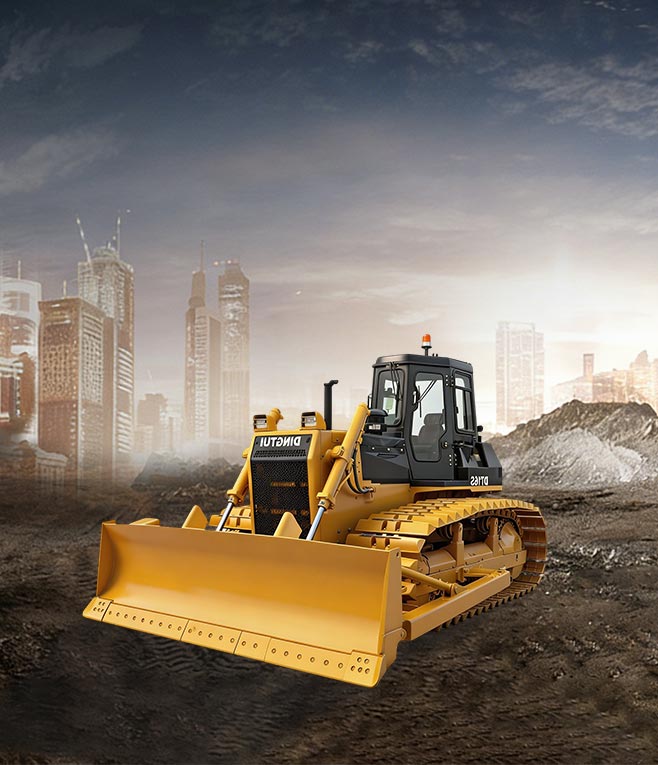
Maintaining a komatsu bulldozer at optimal performance requires a structured engineering maintenance strategy rather than simple routine servicing. Modern earthmoving equipment operates under extreme load cycles, making preventive and predictive maintenance essential for long-term reliability.
Critical Maintenance Areas
1. Track Tension Calibration
Track tension directly affects traction efficiency, fuel consumption, and undercarriage lifespan.
Technical Insights:
- Over-tightened tracks increase friction and fuel usage
- Loose tracks cause derailment risk and uneven wear
- Correct tension improves ground contact efficiency
Engineering Best Practice:
Track sag should be periodically measured under load conditions, not static conditions, to ensure accurate calibration.
2. Hydraulic Oil Quality Monitoring
Hydraulic systems are the “nervous system” of a bulldozer.
Key Monitoring Parameters:
- Oil viscosity stability
- Contamination level (particle count ISO 4406 standard)
- Oxidation level
- Water content percentage
Why It Matters:
Poor hydraulic oil quality can reduce system efficiency by 15–25% and significantly increase pump wear.
3. Blade Wear Inspection
The blade is a high-impact working component exposed to constant abrasion.
Wear Patterns Include:
- Cutting edge thinning
- Side plate deformation
- Cracking at stress points
Maintenance Strategy:
- Regular rotation of cutting edges
- Hardfacing (wear-resistant welding overlay)
- Replacement based on material loss threshold
4. Engine Filter Replacement Cycles
Engine filtration directly influences combustion efficiency and engine lifespan.
Key Filters:
- Air filter (dust protection)
- Fuel filter (contaminant removal)
- Oil filter (lubrication purity)
Engineering Impact:
Blocked filters can increase fuel consumption by 8–12% and reduce engine power output.
Predictive Maintenance Concept
Modern komatsu bulldozer systems are increasingly integrated with sensor-based predictive maintenance technologies.
How Predictive Systems Work
Sensors continuously monitor machine health in real time:
- Engine temperature fluctuations
- Hydraulic pressure variations
- Vibration analysis of undercarriage
- Fuel injection efficiency patterns
Key Functions of Predictive Maintenance
1. Component Wear Prediction
Algorithms analyze operational data to estimate remaining lifespan of key components.
2. Breakdown Prevention
Early warning systems detect anomalies before mechanical failure occurs.
3. Service Interval Optimization
Maintenance schedules are adjusted dynamically based on real operating conditions instead of fixed timelines.
Engineering Benefit
Predictive maintenance can reduce unexpected downtime by up to 30–45%, significantly improving project efficiency and equipment ROI.
Procurement Guide: How to Choose Komatsu Bulldozer

Selecting the correct komatsu bulldozer requires a structured procurement approach combining engineering requirements, operational conditions, and lifecycle cost evaluation.
Step 1: Define Project Scale
- Light construction → D39 / D65
- Medium earthworks → D85
- Heavy mining → D155 / D375
Step 2: Evaluate Soil Conditions
Hard rock vs soft soil affects blade and engine selection.
Step 3: Check Operating Hours
High-hour operations require higher durability models.
Step 4: Inspect Used Equipment
Focus on:
- Undercarriage wear
- Hydraulic leakage
- Engine compression condition
Step 5: Evaluate Dealer Support
After-sales service is critical for minimizing downtime.
Industry Trends & Market Outlook
- Global bulldozer market growth: 4–6% CAGR (2025–2030)
- Increasing demand in mining and infrastructure sectors
- Shift toward fuel-efficient and low-emission machines
- Integration of digital fleet management systems
Conclusion
Understanding komatsu bulldozer specs is essential for selecting the right machine for modern construction and mining operations.
With advanced engine systems, precision hydraulics, and durable undercarriage design, Komatsu bulldozers continue to set global benchmarks in performance, efficiency, and reliability.
For contractors and equipment buyers, proper specification analysis directly translates into higher productivity, lower operating costs, and stronger long-term project returns.
FAQ
What are Komatsu bulldozer specs used for?
They define machine capability, efficiency, and suitability for construction or mining applications.
Which Komatsu bulldozer is best for mining?
D155AX and D375A are widely used in large-scale mining operations.
How long does a Komatsu bulldozer last?
Typically 10,000–20,000+ working hours depending on maintenance.
Are Komatsu bulldozers fuel efficient?
Yes, they use advanced engine control systems to optimize fuel consumption.
What is the main advantage of Komatsu over competitors?
Better balance of fuel efficiency, hydraulic precision, and long-term durability.
About Dingtui
The company specializes in the research, development, and manufacturing of large dozers and core components, offering a comprehensive product line covering the full range of heavy construction machinery.
Get in Touch with Us
Contact us for product details, pricing, and technical support. Our team is ready to assist you with reliable solutions for your projects.