
Panduan Pembelian Lengkap untuk Pemilihan Bulldozer Kecil
Selamat datang di blog kami. Kami adalah Mesin Konstruksi Dingtui, didirikan pada tahun 2014 di Jining, Provinsi Shandong, pusat mesin konstruksi China. Dengan pengalaman lebih dari 10 tahun, kami menyediakan solusi terintegrasi termasuk penjualan mesin, pasokan suku cadang, layanan purna jual, dan manufaktur.
👉 Ikuti kami untuk pembaruan produk dan wawasan industri.
👉 Hubungi kami untuk kutipan cepat dan solusi yang disesuaikan.
Nantikan konten yang lebih ahli dan pengetahuan industri dari Dingtui Construction Machinery.
Daftar Isi
Introduction
Dalam konstruksi modern, dukungan pertambangan, pengembangan lahan pertanian, dan proyek restorasi lingkungan, pemilihan peralatan secara langsung menentukan biaya proyek, efisiensi, dan tingkat risiko. Di antara semua mesin pemindah tanah, buldoser kecil telah menjadi salah satu kategori peralatan dengan pertumbuhan tercepat secara global karena fleksibilitasnya, biaya pengoperasian yang lebih rendah, dan kemampuan beradaptasi terhadap kondisi medan yang kompleks.
Menurut laporan industri dari analisis mesin konstruksi global (data pasar 2024 ج 2025), buldoser crawler kompak dan kecil tumbuh pada perkiraan 5.8% CAGR, didorong oleh meningkatnya permintaan dalam pembangunan kembali infrastruktur, konstruksi pedesaan, dan proyek rekayasa lahan basah.
Panduan yang diperluas ini pada buldoser kecil untuk tips penjualan memberikan rincian teknis, operasional, dan tingkat pengadaan secara lengkap untuk membantu pembeli membuat keputusan tingkat teknik daripada pilihan berdasarkan harga.
Key Takeaways
- Pemahaman mendalam tentang buldoser kecil struktur teknis dan logika teknik
- Tolok ukur kinerja dunia nyata yang digunakan dalam proyek global
- Perbandingan sistem buldoser lahan basah, standar, dan hidrostatik
- Spesifikasi standar industri dan kerangka kepatuhan
- Wawasan pengambilan keputusan berbasis kasus
- Risiko pengadaan dan analisis biaya jangka panjang
- Bagian FAQ selaras dengan perilaku pencarian pembeli nyata
Buldoser Kecil Ikhtisar dan Definisi Teknik
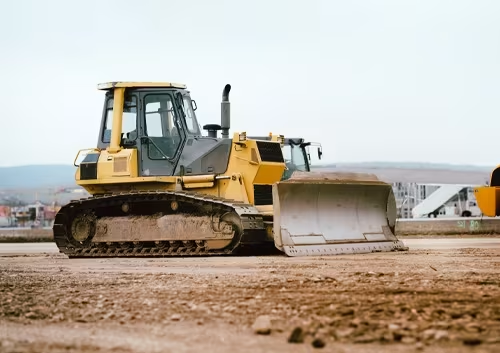
Apa Sebenarnya Buldoser Kecil?
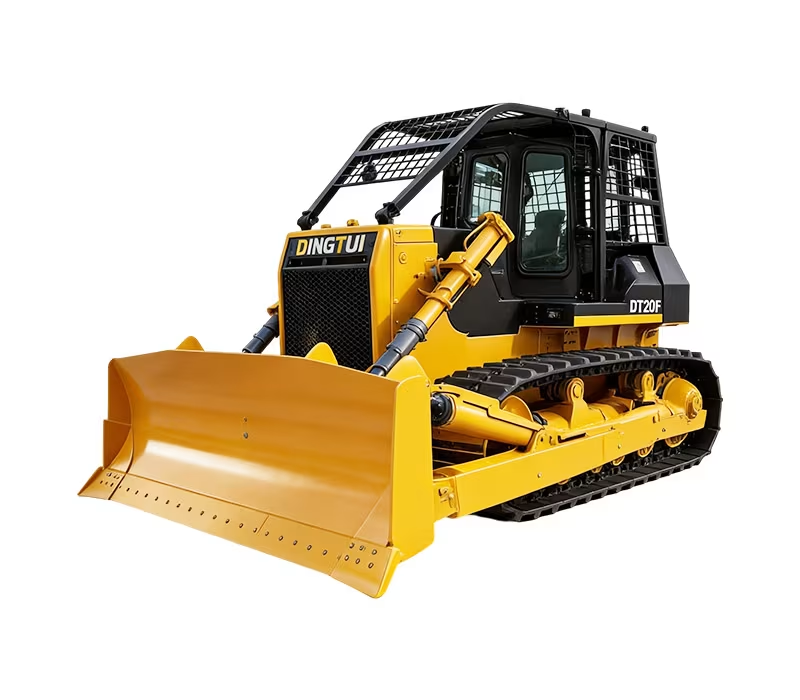
Buldoser kecil adalah mesin pemindah tanah perayap kompak yang dirancang untuk operasi grading, mendorong, meratakan, dan membentuk medan di bawah kondisi beban sedang hingga rendah. Mereka banyak digunakan dalam pembangunan infrastruktur, teknik pertanian, dan proyek konstruksi lingkungan.
Klasifikasi Teknik
- Berat operasi: biasanya 8.000 kg Σ 20.000 kg
- Daya mesin: 70 kW ͕ 140 kW range
- Tekanan tanah: serendah 20͕40 kPa tergantung konfigurasi
- Kapasitas pisau: 2,5 m³ φ 4,5 m³
Mesin-mesin ini dirancang untuk menyeimbangkan daya, mobilitas, dan efisiensi bahan bakar di lingkungan kerja yang terbatas.
Mengapa Buldoser Kecil Mengganti Peralatan yang Lebih Besar dalam Beberapa Skenario
Latar Belakang Pergeseran Industri
Buku putih konstruksi terbaru dari lembaga pembangunan infrastruktur global menyoroti pergeseran ke arah peralatan kompak karena:
- Kendala urbanisasi
- Peraturan lingkungan
- Tekanan optimalisasi biaya
- Permintaan konstruksi modular
Keuntungan Praktis
- Konsumsi bahan bakar lebih rendah (pengurangan 15 ¡30% vs buldoser besar)
- Transportasi dan penyebaran yang lebih mudah
- Mengurangi persyaratan pelatihan operator
- ROI yang lebih cepat dalam proyek kecil hingga menengah
Buldoser Kecil untuk Dijual Tips: Analisis Mendalam Sistem Mesin
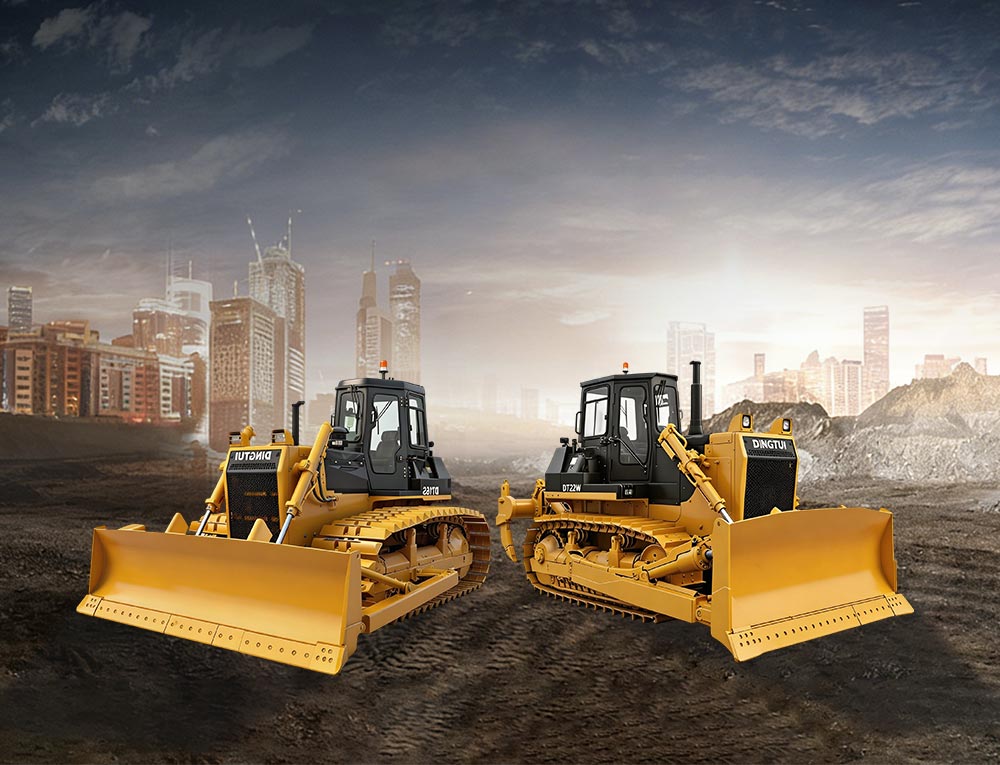
Evolusi Teknologi Mesin di Buldoser Kecil
Modern buldoser kecil semakin banyak menggunakan mesin diesel yang dikontrol secara elektronik sesuai dengan standar emisi Tier II σ Tier IV (tergantung wilayah).
Parameter Mesin Khas
- Nilai daya: 90 φ 131 kW
- Kecepatan terukur: ~1850 rpm
- Sistem optimasi torsi untuk traksi kecepatan rendah
- Peningkatan efisiensi bahan bakar: hingga 12 ¡ 18% vs sistem mekanis yang lebih tua
Contoh Kasus: Aplikasi Sistem Mesin WP10
Banyak buldoser kelas industri menggunakan mesin yang mirip dengan Weichai WP10 series, banyak diterapkan dalam mesin pemindah tanah.
Highlight Kinerja
- Cadangan torsi tinggi untuk operasi dorongan berat
- Output stabil di bawah beban terus menerus
- Sistem penyaringan udara yang ditingkatkan untuk lingkungan berdebu
- Umur panjang melebihi 10.000φ15.000 jam operasi
Sistem Hidrolik di Bulldozer Kecil: Driver Kinerja Inti
Mengapa Sistem Hidrolik Penting dalam Bulldozer
Sistem hidrolik mengontrol fungsi mengangkat, memiringkan, dan kemudi pisau. Di modern buldoser kecil, presisi hidrolik secara langsung menentukan akurasi grading dan efisiensi bahan bakar.
Keuntungan Hidrolik Utama
- Waktu respons yang lebih cepat
- Presisi kontrol yang lebih tinggi
- Mengurangi keausan mekanis
- Peningkatan kemampuan multi-tasking
Konsep Bulldozer Tanah Kering Hidraulik Tingkat Lanjut
Mesin seperti buldoser yang diadaptasi di lahan basah menggunakan sistem hidrolik optimal yang dirancang untuk medan tidak stabil.
Fitur Fungsional
- Distribusi aliran stabil di bawah resistansi tinggi
- Sistem kontrol tekanan adaptif
- Desain pembuangan panas yang ditingkatkan
- Pengoperasian berkelanjutan di lingkungan lahan basah
Kemampuan Beradaptasi Medan di Buldoser Kecil
Kemampuan Rekayasa Lahan Basah dan Tanah Lunak
Beberapa buldoser kecil direkayasa secara khusus untuk lingkungan rawa, rawa, dan tepi sungai.
Contoh Teknis Parameter
- Tekanan tanah: 23φ25 kPa
- Lacak lebar sepatu: hingga 1100mm
- Panjang kontak tanah: hingga 3140mm
Dampak Teknik
Tekanan tanah rendah mencegah tenggelam dan memastikan stabilitas di:
- Lahan basah
- Riverbanks
- Tpa tanah lunak
- Zona rekayasa pesisir
Kemampuan Operasi Multi-Terrain
Aplikasi Infrastruktur
- Perataan pondasi jalan raya
- Persiapan kereta api subgrade
- Perataan landasan pacu bandara
Teknik Lingkungan
- Reklamasi lahan
- Stabilisasi tanah
- Restorasi ekologi
Teknik Pertanian
- Persiapan lahan pertanian
- Trenching irigasi
- Konsolidasi tanah
Tabel Benchmark Spesifikasi Teknis Buldoser Kecil
| Parameter | Bulldozer Kecil Standar | Model Kelas Atas Lahan Basah |
|---|---|---|
| Berat Operasi | 14͕18 ton | 17Σ20 ton |
| Tenaga Mesin | 90͕120 kW | 120ج131 kW |
| Tekanan Tanah | 30͕40 kPa | 23φ25 kPa |
| Kapasitas Blade | 2.8φ3.5 m³ | 3.8φ4.5 m³ |
| Efisiensi Bahan Bakar | Medium | High |
| Kemampuan Medan | Tanah keras & campuran | Tanah lunak + lahan basah |
Desain Struktural dan Rekayasa Daya Tahan
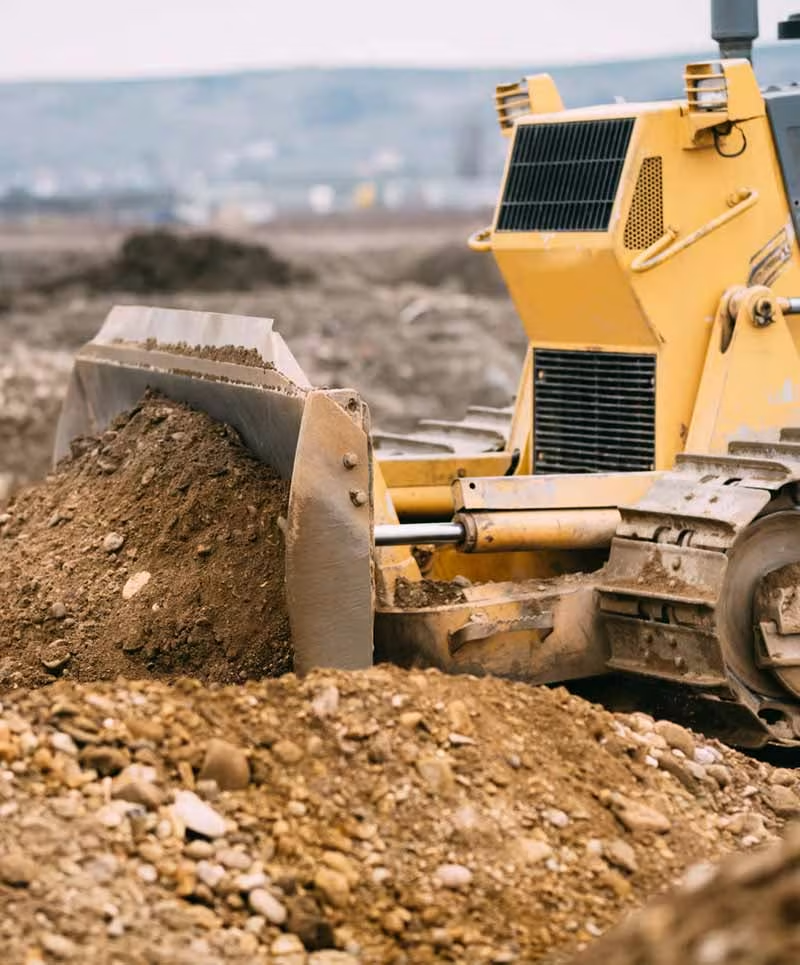
Konsep Penguatan Sasis
Sasis adalah tulang punggung struktural buldoser kecil, dirancang untuk menahan torsi terus menerus, getaran, dan tegangan medan yang tidak rata.
Fitur Teknik
- Rangka baja paduan berkekuatan tinggi
- Sistem roller track yang diperkuat
- Desain struktural anti-kelelahan
Teknik Blade dan Efisiensi Penanganan Material
Sistem Blade Lurus
Digunakan untuk tugas pemindahan tanah dan perataan umum.
Sistem Tilt Blade
Memungkinkan penyesuaian sudut untuk penilaian presisi.
Sistem U-Blade
Dioptimalkan untuk mendorong material curah di pertambangan dan konstruksi.
Sistem Operator dan Ergonomi
Evolusi Desain Kabin
Kabin buldoser modern dirancang dengan mempertimbangkan keamanan, visibilitas, dan kenyamanan.
Fitur Utama
- Struktur visibilitas panorama
- Perlindungan opsional FOPS/ROPS
- Sistem kontrol iklim
- Kursi suspensi getaran rendah
Standar Kepatuhan Keselamatan
- ISO 3471 (struktur keselamatan ROPS)
- ISO 3449 (perlindungan FOPS)
- Kepatuhan terhadap Petunjuk Mesin CE (pasar UE)
Strategi Pemeliharaan dan Pengendalian Biaya Siklus Hidup
Desain Optimasi Pemeliharaan
Modern buldoser kecil dirancang untuk mengurangi waktu henti dan menyederhanakan servis.
Keuntungan Struktural
- Tata letak sistem filter terpusat
- Komponen hidrolik modular
- Penutup mesin pembuka samping
Dampak Efisiensi Pemeliharaan
- 20 ¡3 0 1 Pengurangan TP7T dalam waktu layanan
- Biaya pemeliharaan jangka panjang yang lebih rendah
- Tingkat uptime mesin yang lebih tinggi (> 85%)
Studi Kasus Industri Nyata: Proyek Bulldozing Lahan Basah
Latar Belakang Proyek
Proyek restorasi lahan basah berskala besar di Asia Tenggara memerlukan operasi pemindahan tanah yang stabil dalam kondisi kelembaban tinggi.
Peralatan Digunakan
- 17 ج 18 ton buldoser kecil yang diadaptasi dari lahan basah
- Konfigurasi tekanan tanah rendah
- Sistem bilah berkapasitas tinggi
Hasil
- Waktu penyelesaian proyek berkurang 22%
- Insiden tenggelam di darat berkurang hingga mendekati nol
- Konsumsi bahan bakar dioptimalkan oleh 14%
Tren Pasar dan Wawasan Buku Putih Industri
Pertumbuhan Pasar Global
Menurut laporan industri peralatan konstruksi tahun 2025:
- Buldoser perayap kompak: segmen mesin pemindah tanah dengan pertumbuhan tercepat
- Kawasan Asia-Pasifik: pertumbuhan permintaan tertinggi (>6% setiap tahun)
- Proyek rekayasa lingkungan: pendorong utama adopsi
Tren Integrasi Konstruksi Digital
- Koordinasi armada buldoser berbasis BIM
- Sistem penilaian GPS
- Pemantauan jarak jauh dan pemeliharaan prediktif
Buldoser Kecil Membeli Kerangka Keputusan
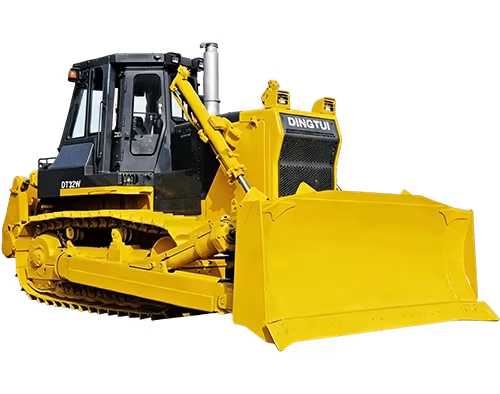
Langkah 1: Tentukan Jenis Proyek
- Lahan basah → model tekanan tanah rendah
- Lokasi konstruksi → model standar
- Dukungan penambangan → model torsi tinggi
Langkah 2: Evaluasi Spesifikasi Teknis
- Tenaga mesin
- Kapasitas pisau
- Kualitas sistem hidrolik
Langkah 3: Analisis Biaya Siklus Hidup
- Konsumsi bahan bakar
- Frekuensi pemeliharaan
- Ketersediaan suku cadang
Kesalahan Umum dalam Pemilihan Bulldozer Kecil
Kesalahan 1: Mengabaikan Persyaratan Tekanan Tanah
Memilih mesin standar untuk lingkungan tanah lunak menyebabkan kegagalan kinerja.
Kesalahan 2: Mengabaikan Kualitas Sistem Hidrolik
Sistem berkualitas rendah mengurangi presisi dan meningkatkan biaya jangka panjang.
Kesalahan 3: Pemikiran Harga Jangka Pendek
Mesin berbiaya rendah sering kali menyebabkan biaya operasional yang lebih tinggi seiring berjalannya waktu.
FAQ
Berapa umur rata-rata buldoser kecil?
Biasanya 8.000φ15.000 jam operasi, tergantung pada kualitas pemeliharaan.
Apakah buldoser kecil cocok untuk lahan basah?
Ya, jika dilengkapi dengan tekanan tanah rendah dan sistem lintasan yang diperpanjang.
Tenaga mesin apa yang ideal untuk buldoser kecil?
Sebagian besar aplikasi membutuhkan 90ج130 kW tergantung pada beban kerja.
Berapa banyak bahan bakar yang dikonsumsi buldoser kecil?
Konsumsi rata-rata berkisar antara 12ج20 liter per jam tergantung pada beban.
Apa faktor yang paling penting ketika membeli buldoser kecil?
Pencocokan aplikasi (medan + beban kerja + kualitas sistem hidrolik).
Kesimpulan
Peran dari buldoser kecil dalam konstruksi modern tidak lagi terbatas pada tugas-tugas dasar pemindahan tanah. Mereka sekarang merupakan aset rekayasa penting yang menentukan efisiensi proyek, kemampuan beradaptasi lingkungan, dan pengendalian biaya operasional jangka panjang.
Dengan menerapkan terstruktur buldoser kecil untuk tips penjualan, pembeli dapat secara signifikan meningkatkan akurasi pengadaan, mengurangi biaya siklus hidup, dan memastikan kinerja yang andal di berbagai lingkungan teknik.
Dalam jangka panjang, buldoser yang tepat bukan hanya mesin — itu adalah sistem produktivitas yang secara langsung berdampak pada keberhasilan proyek.
Tentang Dingtui
Perusahaan ini berspesialisasi dalam penelitian, pengembangan, dan pembuatan dozer besar dan komponen inti, menawarkan lini produk komprehensif yang mencakup seluruh mesin konstruksi berat.
Hubungi Kami
Hubungi kami untuk detail produk, harga, dan dukungan teknis. Tim kami siap membantu Anda dengan solusi yang andal untuk proyek Anda.