
دليل الشراء الكامل لاختيار الجرافات الصغيرة
مرحبا بكم في مدونتنا. نحن شركة Dingtui Construction Machinery، التي تأسست عام 2014 في جينينغ، مقاطعة شاندونغ، مركز آلات البناء في الصين. مع أكثر من 10 سنوات من الخبرة، نقدم حلولاً متكاملة بما في ذلك مبيعات الآلات وتوريد قطع الغيار وخدمة ما بعد البيع والتصنيع.
👉 تابعونا للحصول على تحديثات حول المنتجات ورؤى الصناعة.
👉 اتصل بنا للحصول على عروض أسعار سريعة وحلول مخصصة.
ترقبوا المزيد من المحتوى الخبير والمعرفة الصناعية من Dingtui Construction Machinery.
جدول المحتويات
مقدمة
في البناء الحديث، ودعم التعدين، وتطوير الأراضي الزراعية، ومشاريع استعادة البيئة، يحدد اختيار المعدات بشكل مباشر تكلفة المشروع وكفاءته ومستوى المخاطر. من بين جميع آلات تحريك التربة،, الجرافات الصغيرة أصبحت واحدة من أسرع فئات المعدات نموًا على مستوى العالم نظرًا لمرونتها وانخفاض تكلفة التشغيل وقدرتها على التكيف مع ظروف التضاريس المعقدة.
وفقًا لتقارير الصناعة الصادرة عن تحليل آلات البناء العالمية (بيانات السوق 2024 por2025)، تنمو الجرافات المجنزرة الصغيرة والصغيرة بمعدل تقديري 5.8% CAGR, مدفوعة بالطلب المتزايد على إعادة تطوير البنية التحتية، والبناء الريفي، ومشاريع هندسة الأراضي الرطبة.
هذا الدليل الموسع على الجرافات الصغيرة للبيع نصائح يوفر تفصيلاً كاملاً على المستوى الفني والتشغيلي ومستوى المشتريات لمساعدة المشترين على اتخاذ قرارات على المستوى الهندسي بدلاً من الاختيارات التي تعتمد على السعر.
الوجبات السريعة الرئيسية
- فهم عميق ل الجرافات الصغيرة الهيكل الفني والمنطق الهندسي
- معايير الأداء في العالم الحقيقي المستخدمة في المشاريع العالمية
- مقارنة أنظمة الجرافات الرطبة والقياسية والهيدروستاتيكية
- المواصفات القياسية الصناعية وأطر الامتثال
- رؤى اتخاذ القرار على أساس الحالة
- مخاطر المشتريات وتحليل التكاليف على المدى الطويل
- قسم الأسئلة الشائعة يتماشى مع سلوك بحث المشتري الحقيقي
الجرافات الصغيرة نظرة عامة والتعريف الهندسي
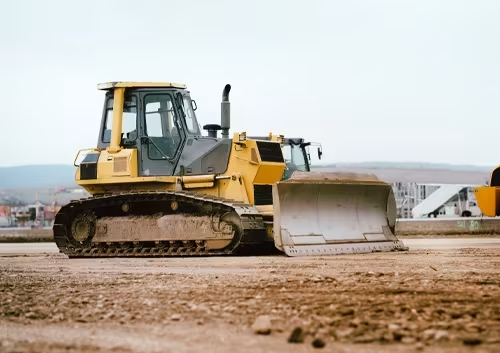
ما هي الجرافات الصغيرة بالضبط؟
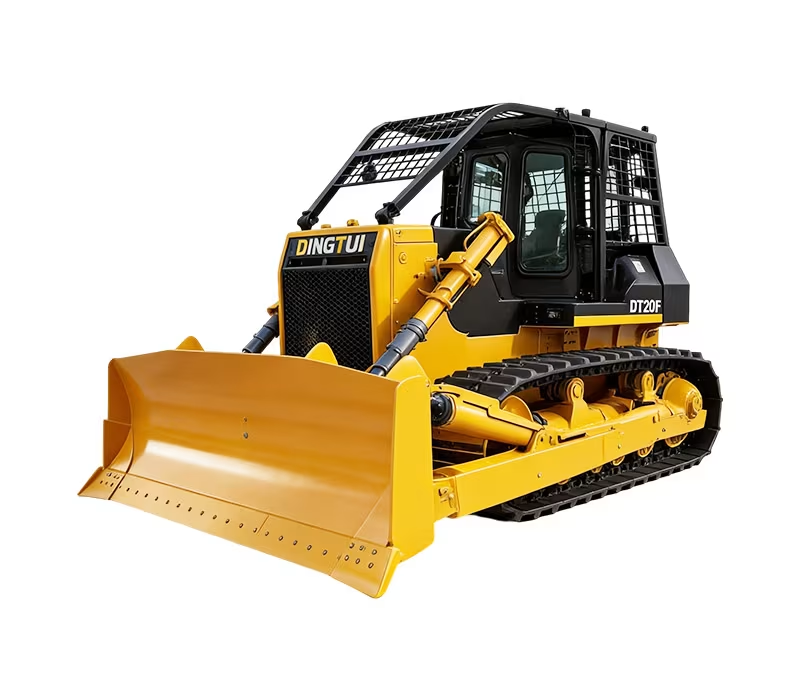
الجرافات الصغيرة عبارة عن آلات تحريك التربة المجنزرة المدمجة المصممة لعمليات التسوية والدفع والتسوية وتشكيل التضاريس في ظل ظروف التحميل المتوسطة إلى المنخفضة. وهي تستخدم على نطاق واسع في تطوير البنية التحتية والهندسة الزراعية ومشاريع البناء البيئية.
التصنيف الهندسي
- وزن التشغيل: عادة 8000 كجم 20000 كجم
- قوة المحرك: نطاق 70 كيلووات 140 كيلووات
- الضغط الأرضي: منخفض مثل 20.40 كيلو باسكال اعتمادا على التكوين
- سعة الشفرة: 2.5 متر مكعب 4.5 متر مكعب
تم تصميم هذه الآلات لتحقيق التوازن بين الطاقة والتنقل وكفاءة استهلاك الوقود في بيئات العمل المقيدة.
لماذا تحل الجرافات الصغيرة محل المعدات الأكبر حجمًا في بعض السيناريوهات
خلفية التحول في الصناعة
تسلط التقارير البيضاء الأخيرة الخاصة بالبناء الصادرة عن وكالات تطوير البنية التحتية العالمية الضوء على التحول نحو المعدات المدمجة بسبب:
- قيود التحضر
- اللوائح البيئية
- ضغط تحسين التكلفة
- الطلب على البناء المعياري
المزايا العملية
- انخفاض استهلاك الوقود (تخفيض 15 treastern30% مقابل الجرافات الكبيرة)
- سهولة النقل والنشر
- انخفاض متطلبات تدريب المشغلين
- عائد استثمار أسرع في المشاريع الصغيرة والمتوسطة
الجرافات الصغيرة للبيع نصائح: التحليل العميق لنظام المحرك
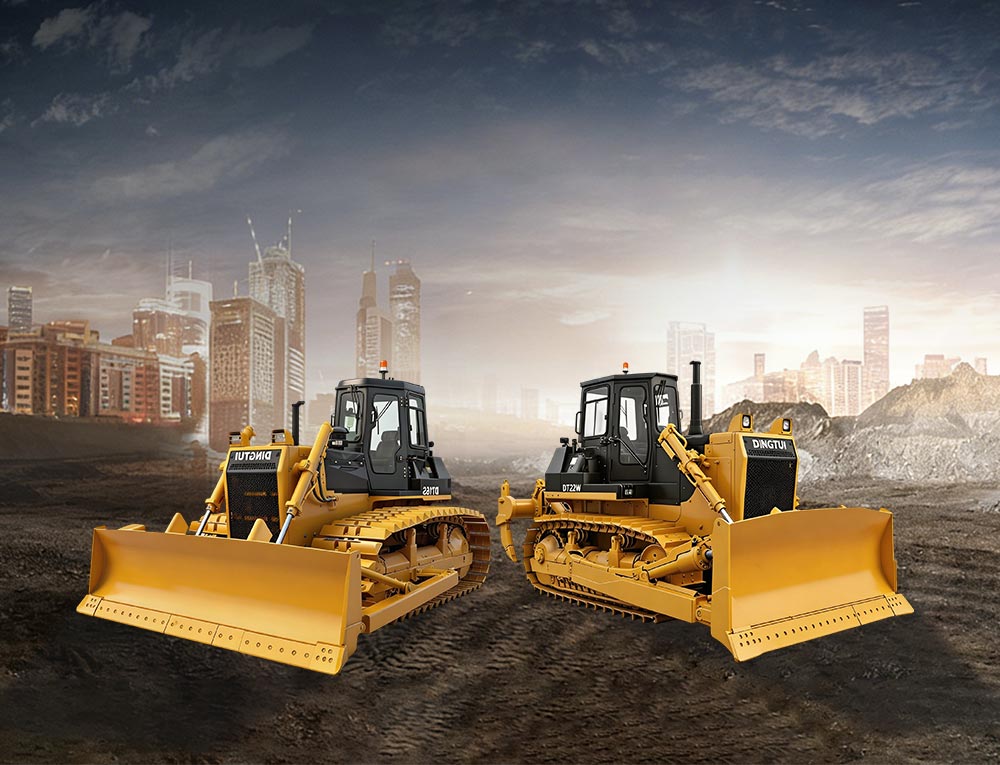
تطور تكنولوجيا المحرك في الجرافات الصغيرة
حديث الجرافات الصغيرة الاستخدام المتزايد لمحركات الديزل التي يتم التحكم فيها إلكترونيًا والمتوافقة مع معايير الانبعاثات من المستوى الثاني من المستوى الرابع (حسب المنطقة).
معلمات المحرك النموذجية
- الطاقة المقدرة: 90.131 كيلو واط
- السرعة المقدرة: ~1850 دورة في الدقيقة
- نظام تحسين عزم الدوران للجر منخفض السرعة
- تحسين كفاءة استهلاك الوقود: ما يصل إلى 12 محركًا من طراز trise18% مقارنة بالأنظمة الميكانيكية القديمة
مثال الحالة: تطبيق نظام المحرك WP10
تستخدم العديد من الجرافات الصناعية محركات مشابهة لـ سلسلة ويتشاي WP10, ، يتم تطبيقه على نطاق واسع في آلات تحريك التربة.
أبرز الأداء
- احتياطي عزم دوران عالي لعمليات الدفع الثقيلة
- إخراج مستقر تحت الحمل المستمر
- نظام تنقية الهواء المحسن للبيئات المتربة
- عمر خدمة طويل يتجاوز 10.000 إلى 15.000 ساعة تشغيل
النظام الهيدروليكي في الجرافات الصغيرة: برنامج تشغيل الأداء الأساسي
لماذا تعتبر الأنظمة الهيدروليكية مهمة في الجرافات
تتحكم الأنظمة الهيدروليكية في وظائف رفع الشفرة وإمالتها وتوجيهها. في الحديث الجرافات الصغيرة, ، تحدد الدقة الهيدروليكية بشكل مباشر دقة الدرجات وكفاءة استهلاك الوقود.
المزايا الهيدروليكية الرئيسية
- وقت استجابة أسرع
- دقة تحكم أعلى
- انخفاض التآكل الميكانيكي
- تحسين القدرة على القيام بمهام متعددة
مفهوم البلدوزر الهيدروليكي الجاف المتقدم
تستخدم آلات مثل الجرافات المتكيفة مع الأراضي الرطبة أنظمة هيدروليكية محسنة مصممة للتضاريس غير المستقرة.
الميزات الوظيفية
- توزيع تدفق مستقر تحت مقاومة عالية
- نظام التحكم في الضغط التكيفي
- تحسين تصميم تبديد الحرارة
- التشغيل المستمر في بيئات الأراضي الرطبة
القدرة على التكيف مع التضاريس في الجرافات الصغيرة
القدرة على هندسة الأراضي الرطبة والتربة الناعمة
بعض الجرافات الصغيرة تم تصميمها خصيصًا لبيئات المستنقعات والمستنقعات وضفاف الأنهار.
معلمات المثال الفني
- الضغط الأرضي: 23.25 كيلو باسكال
- عرض حذاء المسار: يصل إلى 1100 ملم
- طول الاتصال الأرضي: يصل إلى 3140 ملم
التأثير الهندسي
الضغط الأرضي المنخفض يمنع الغرق ويضمن الاستقرار في:
- الأراضي الرطبة
- ضفاف النهر
- مدافن التربة الناعمة
- مناطق الهندسة الساحلية
القدرة على التشغيل متعدد التضاريس
تطبيقات البنية التحتية
- تسوية أساس الطريق السريع
- إعداد الطبقة التحتية للسكك الحديدية
- تصنيف مدرج المطار
الهندسة البيئية
- استصلاح الأراضي
- استقرار التربة
- الترميم البيئي
الهندسة الزراعية
- إعداد الأراضي الزراعية
- حفر خنادق الري
- توحيد الأراضي
الجدول المعياري للمواصفات الفنية للجرافات الصغيرة
| معلمة | الجرافات الصغيرة القياسية | نماذج الأراضي الرطبة المتطورة |
|---|---|---|
| وزن التشغيل | 14.18 طن | 17.20 طن |
| قوة المحرك | 90.120 كيلو واط | 120.131 كيلو واط |
| الضغط الأرضي | 30.40 كيلو باسكال | 23.25 كيلو باسكال |
| سعة الشفرة | 2.8 3.5 م³ | 3.8 4.5 م³ |
| كفاءة الوقود | متوسط | عالي |
| قدرة التضاريس | التربة الصلبة والمختلطة | التربة الناعمة + الأراضي الرطبة |
التصميم الإنشائي وهندسة المتانة
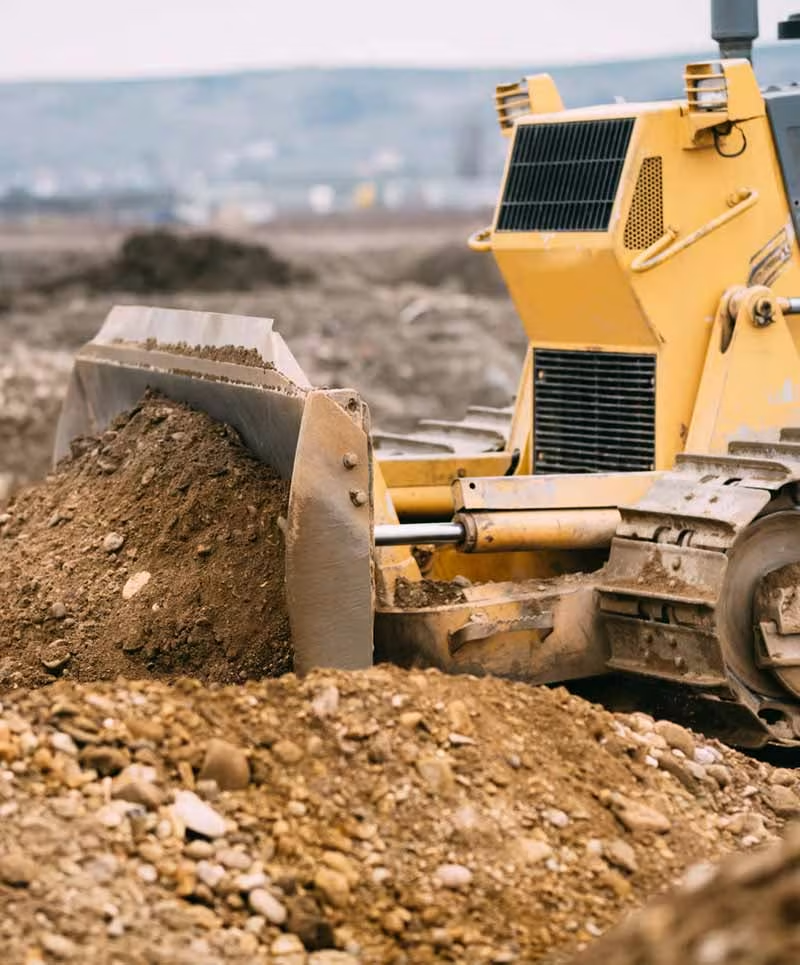
مفهوم تعزيز الهيكل
الهيكل هو العمود الفقري الهيكلي ل الجرافات الصغيرة, ، مصمم لتحمل عزم الدوران المستمر والاهتزاز وإجهاد التضاريس غير المستوي.
الميزات الهندسية
- إطار فولاذي من سبائك عالية القوة
- نظام بكرة المسار المقوى
- التصميم الهيكلي المضاد للتعب
هندسة الشفرات وكفاءة التعامل مع المواد
نظام الشفرة المستقيمة
تستخدم لمهام تحريك التربة والتسوية العامة.
نظام شفرة الميل
يسمح بالتعديل الزاوي للتصنيف الدقيق.
نظام يو بليد
الأمثل لدفع المواد السائبة في التعدين والبناء.
نظام المشغل وبيئة العمل
تطور تصميم الكابينة
تم تصميم كبائن الجرافة الحديثة مع مراعاة السلامة والرؤية والراحة.
الميزات الرئيسية
- هيكل الرؤية البانورامية
- حماية اختيارية FOPS/ROPS
- نظام التحكم بالمناخ
- مقعد تعليق منخفض الاهتزاز
معايير الامتثال للسلامة
- ISO 3471 (هيكل السلامة ROPS)
- ISO 3449 (حماية FOPS)
- الامتثال لتوجيهات CE للآلات (أسواق الاتحاد الأوروبي)
استراتيجية الصيانة والتحكم في تكلفة دورة الحياة
تصميم تحسين الصيانة
حديث الجرافات الصغيرة مصممة لتقليل وقت التوقف عن العمل وتبسيط الخدمة.
المزايا الهيكلية
- تخطيط نظام التصفية المركزي
- المكونات الهيدروليكية المعيارية
- أغطية المحرك ذات الفتح الجانبي
تأثير كفاءة الصيانة
- تخفيض 20.30% في وقت الخدمة
- انخفاض تكلفة الصيانة على المدى الطويل
- معدل تشغيل أعلى للآلة (>85%)
دراسة حالة الصناعة الحقيقية: مشروع تجريف الأراضي الرطبة
خلفية المشروع
يتطلب مشروع ترميم الأراضي الرطبة واسع النطاق في جنوب شرق آسيا عمليات مستقرة لنقل التربة في ظل ظروف الرطوبة العالية.
المعدات المستخدمة
- 17.18 طن جرافات صغيرة مكيفة للأراضي الرطبة
- تكوين الضغط الأرضي المنخفض
- أنظمة شفرات عالية السعة
نتائج
- تم تقليل وقت إكمال المشروع بمقدار 22%
- انخفضت حوادث الغرق الأرضي إلى ما يقرب من الصفر
- تم تحسين استهلاك الوقود بمقدار 14%
اتجاهات السوق ورؤى الكتاب الأبيض للصناعة
نمو السوق العالمية
بحسب تقارير صناعة معدات البناء لعام 2025:
- الجرافات الزاحفة المدمجة: القطاع الأسرع نموا في آلات تحريك التربة
- منطقة آسيا والمحيط الهادئ: أعلى نمو في الطلب (>6% سنويًا)
- مشاريع الهندسة البيئية: المحرك الرئيسي لاعتمادها
اتجاه تكامل البناء الرقمي
- تنسيق أسطول الجرافات القائم على BIM
- أنظمة تصنيف GPS
- المراقبة عن بعد والصيانة التنبؤية
إطار قرار شراء الجرافات الصغيرة
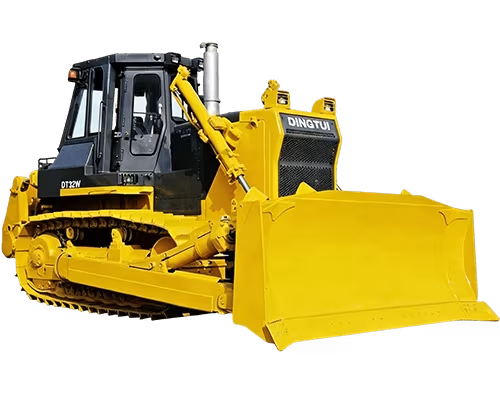
الخطوة 1: تحديد نوع المشروع
- الأراضي الرطبة → نموذج الضغط الأرضي المنخفض
- موقع البناء → النموذج القياسي
- دعم التعدين → نموذج عزم الدوران العالي
الخطوة 2: تقييم المواصفات الفنية
- قوة المحرك
- سعة الشفرة
- جودة النظام الهيدروليكي
الخطوة 3: تحليل تكلفة دورة الحياة
- استهلاك الوقود
- تردد الصيانة
- توافر الأجزاء
الأخطاء الشائعة في اختيار الجرافات الصغيرة
الخطأ 1: تجاهل متطلبات الضغط الأرضي
يؤدي اختيار الآلات القياسية لبيئات التربة الناعمة إلى فشل الأداء.
الخطأ 2: التغاضي عن جودة النظام الهيدروليكي
تعمل الأنظمة منخفضة الجودة على تقليل الدقة وزيادة التكلفة على المدى الطويل.
الخطأ 3: التفكير في الأسعار على المدى القصير
غالبًا ما تؤدي الآلات منخفضة التكلفة إلى ارتفاع نفقات التشغيل بمرور الوقت.
الأسئلة الشائعة
ما هو متوسط عمر الجرافات الصغيرة؟
عادة 8000-15000 ساعة عمل, ، اعتمادا على جودة الصيانة.
هل الجرافات الصغيرة مناسبة للأراضي الرطبة؟
نعم، إذا كانت مجهزة بضغط أرضي منخفض وأنظمة مسار ممتدة.
ما هي قوة المحرك المثالية للجرافات الصغيرة؟
تتطلب معظم التطبيقات 90.130 كيلو واط اعتمادا على عبء العمل.
ما هي كمية الوقود التي تستهلكها الجرافة الصغيرة؟
ويتراوح متوسط الاستهلاك بين 12.20 لتر في الساعة اعتمادا على الحمل.
ما هو العامل الأهم عند شراء الجرافات الصغيرة؟
مطابقة التطبيقات (التضاريس + عبء العمل + جودة النظام الهيدروليكي).
خاتمة
دور الجرافات الصغيرة في البناء الحديث لم يعد يقتصر على مهام تحريك التربة الأساسية. وهي الآن أصول هندسية أساسية تحدد كفاءة المشروع، والقدرة على التكيف البيئي، والتحكم في التكاليف التشغيلية على المدى الطويل.
من خلال تطبيق منظم الجرافات الصغيرة للبيع نصائح, يمكن للمشترين تحسين دقة الشراء بشكل كبير، وتقليل تكاليف دورة الحياة، وضمان أداء موثوق عبر بيئات هندسية متنوعة.
على المدى الطويل، الجرافة المناسبة ليست مجرد آلة، بل هي نظام إنتاجية يؤثر بشكل مباشر على نجاح المشروع.
حول Dingtui
تتخصص الشركة في البحث والتطوير وتصنيع الجرافات الكبيرة والمكونات الأساسية، وتقدم خط إنتاج شامل يغطي مجموعة كاملة من آلات البناء الثقيلة.
تواصل معنا
اتصل بنا للحصول على تفاصيل المنتج والأسعار والدعم الفني. فريقنا على استعداد لمساعدتك في إيجاد حلول موثوقة لمشاريعك.