
Choosing the Right Bulldozer Tracks: A Comprehensive Guide
Welcome to our blog. We are Dingtui Construction Machinery, established in 2014 in Jining, Shandong Province, China’s construction machinery hub. With over 10 years of experience, we provide integrated solutions including machine sales, spare parts supply, after-sales service, and manufacturing.
👉 Follow us for updates on products and industry insights.
👉 Contact us for fast quotes and customized solutions.
Stay tuned for more expert content and industry knowledge from Dingtui Construction Machinery.
Table of Contents
Key Takeaways
- Overview of bulldozer tracks and their importance
- Types and materials of track shoes
- Track assembly components explained
- Selecting the right tracks for different terrains
- Maintenance tips to extend lifespan
- Comparison of track options for informed decisions
- Industry standards and specifications
- Case studies and real-world applications
- FAQs addressing common buyer concerns
Introduction
Bulldozer tracks are often underestimated, yet they are the backbone of heavy machinery efficiency. Every construction, mining, or pipeline project relies on these tracks for stability, traction, and longevity. A poorly selected track can lead to increased operational costs, frequent downtime, and even equipment failure.
Did you know that undercarriage costs can account for up to 40% of a bulldozer’s total maintenance budget? This highlights why choosing the right bulldozer tracks is critical for both productivity and long-term cost efficiency. This guide provides detailed insights into track components, materials, configurations, and maintenance practices to ensure you make an informed choice.
Understanding Bulldozer Tracks
Bulldozer tracks are continuous steel or rubber assemblies that distribute the machine’s weight and provide movement across difficult terrain. They are essential for off-road mobility, traction on loose soil, and handling heavy loads.
What Are Bulldozer Tracks?
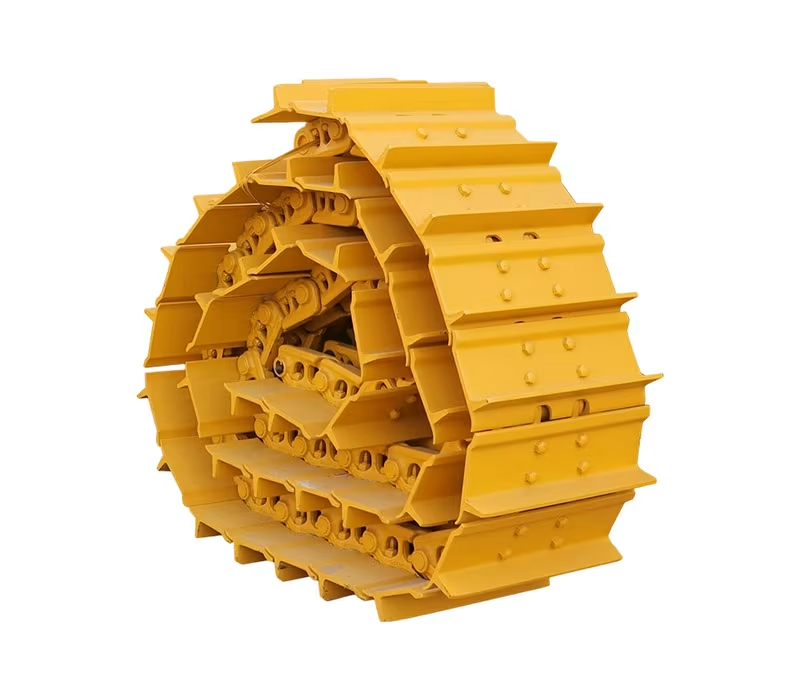
Bulldozer tracks are part of a track assembly that includes:
- Track shoes: The primary contact point with the ground
- Track links: Connect individual shoes into a loop
- Track pins: Act as pivot points for rotation around the drive sprocket
The combination of these elements affects machine stability, performance, and longevity.
Key Functions of Bulldozer Tracks
- Traction: Steel lugs provide grip on mud, sand, and rocky terrain
- Load Distribution: Prevents sinking and uneven wear
- Durability: Protects undercarriage from abrasion and impact
- Operational Efficiency: Reduces downtime and energy consumption
Track Assembly Components: A Deep Dive
A bulldozer’s undercarriage system is complex, and understanding each component is essential for selecting the right tracks.
Track Shoes
Track shoes are the core wear-prone element and are available in several types.
Single-Grouser Track Shoes
- Tall lugs for maximum traction
- Suitable for rough terrain and standard bulldozers
Triple-Grouser Track Shoes
- Primarily used on excavators
- Feature mud-ejection holes to prevent clogging
Flat-Bottom Track Shoes
- Large contact area reduces ground pressure
- Ideal for soft soils, wetlands, and agricultural fields
Track Links and Pins
- Track Links: Steel segments forming a continuous loop
- Track Pins: Provide rotational pivot points, supporting load distribution
Materials of Bulldozer Tracks
The material affects durability, wear resistance, and operational efficiency.
Rolled Steel vs. Cast Steel
| Material Type | Hardness (HB) | Advantages | Common Use |
|---|---|---|---|
| Rolled Steel | 364–444 | Cost-effective, heat-treated, durable | Standard bulldozers |
| Cast Steel | 380–460 | High strength, resistant to cracking | Wetlands, swamps, heavy-duty environments |
Alloy and Heat Treatment
Modern tracks use low-alloy high-strength steels such as 30SiMnMoV(Ti) to reduce premature cracking and deformation, improving lifespan by up to 20–25% compared to traditional high-manganese steels.
Choosing Bulldozer Tracks Based on Terrain
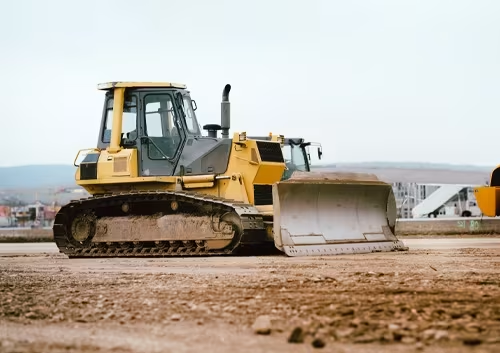
Selecting the right bulldozer tracks is crucial for maintaining performance, reducing wear, and preventing operational delays. Different terrains impose unique challenges, and using the wrong track type can lead to increased fuel consumption, accelerated component wear, and even project delays. Understanding how tracks interact with specific surfaces allows engineers and equipment managers to optimize machine efficiency.
Standard vs. Specialized Tracks
Standard Tracks
Standard tracks typically have a width of 500–600 mm and are designed for general construction, grading, and light to medium earthmoving tasks. They provide a balance between durability and maneuverability, making them suitable for gravel roads, moderately soft soil, and uneven construction sites. Standard tracks are usually made from rolled steel with a hardness of HB364–444, which provides good resistance to wear while keeping replacement costs moderate.
Specialized Tracks
Specialized tracks are wider, ranging from 700–800 mm or more, and are engineered for challenging terrains where ground pressure must be minimized. These tracks are commonly used in swamps, soft soils, marshlands, and pipeline construction sites. By spreading the machine’s weight over a larger area, they reduce the risk of sinking, soil compaction, and environmental disruption. Specialized tracks often incorporate cast steel or hollow-rolled designs for added bending resistance, and their ends are sometimes tapered to reduce stress concentrations on soft or uneven surfaces.
Ground-Specific Recommendations
Soft Soils
For soft, muddy, or loosely packed soil, ultra-wide flat-bottom tracks are ideal. Tracks exceeding 750 mm in width can significantly reduce ground pressure, sometimes by more than 50%, compared to standard tracks. This reduction not only minimizes soil displacement but also prevents the machine from becoming stuck during critical operations. Some manufacturers also recommend low-ground-pressure tracks with reinforced crossbars to further improve traction and load distribution.
Rocky Terrain
On rocky or uneven ground, traction and stability are the priorities. Single-grouser tracks with tall lugs provide exceptional grip and are resistant to slipping. The lugs dig into uneven surfaces, maintaining stability even on slopes. Additionally, the use of heat-treated alloy steel ensures that track shoes resist chipping and cracking when encountering sharp rocks or abrasive surfaces.
Wetlands and Marshlands
Wetland environments present unique challenges such as high moisture content and soft substrate layers. In these areas, cast steel or hollow-rolled tracks are preferred due to their high bending strength and ability to distribute weight evenly. Ultra-wide designs, often exceeding 800 mm, help reduce ground pressure to below 50 kPa, preventing deep ruts and environmental damage. Some swamp-specific tracks include self-cleaning holes or grooves to expel mud and debris, maintaining continuous traction during operations.
Example Case Study: Pipeline Construction in Louisiana Swamps
In 2023, a large-scale pipeline project in the Louisiana swamps required heavy bulldozers to operate on extremely soft and waterlogged terrain. The project team opted for 800 mm flat-bottom tracks with a hollow-rolled steel structure. Key outcomes included:
- Ground Pressure Reduction: Reduced from 100 kPa to 45 kPa, which minimized soil deformation and prevented equipment from sinking.
- Operational Efficiency: Project efficiency increased by 18%, as bulldozers maintained a consistent pace without frequent bogging or track adjustments.
- Environmental Impact: The wider tracks ensured minimal soil disruption, preserving sensitive wetland vegetation and meeting local environmental compliance requirements.
The case highlights how specialized track selection, based on terrain characteristics, directly impacts productivity, safety, and ecological responsibility.
Standards and Industry Specifications
Understanding relevant standards ensures compliance and performance assurance.
ISO and SAE Standards for Tracks
- ISO 6165: Earth-moving machinery – Dimensions and ratings for track assemblies
- SAE J1996: Undercarriage systems for crawler tractors – Performance and durability testing
Recommended Track Parameters
- Track shoe thickness: 25–40 mm depending on load
- Pin diameter: 50–75 mm for medium to heavy-duty bulldozers
- Track tension: Maintain 5–8% sag to optimize wear
Maintenance of Bulldozer Tracks
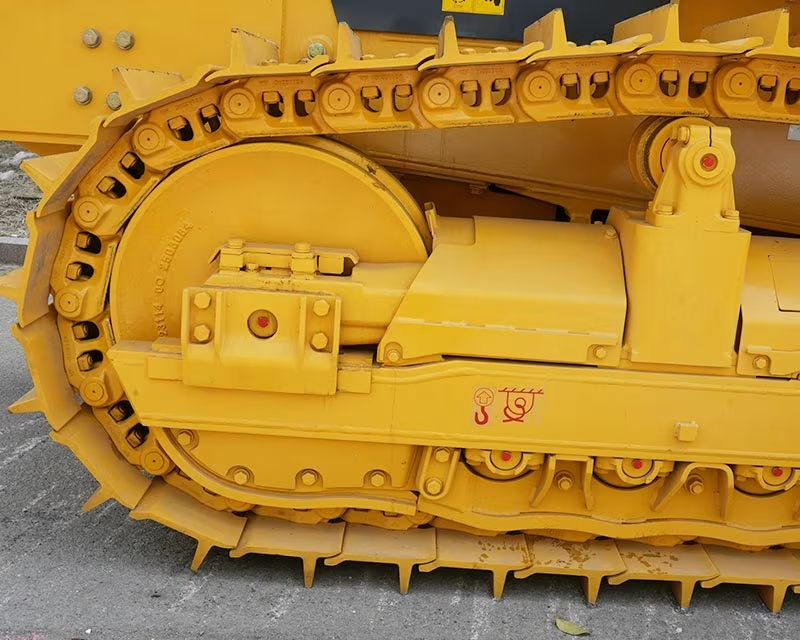
Proper care prolongs lifespan and reduces costs.
Inspection and Cleaning
- Weekly inspection for cracks or looseness
- Remove mud, sand, and debris
Lubrication and Tensioning
- Grease pins and rollers monthly
- Adjust tension to manufacturer specifications
Replacement Guidelines
- Replace shoes at 50–60% lug wear
- Pins and links replaced when bending or cracking is observed
Comparing Bulldozer Track Options
| Feature | Standard Tracks | Specialized Tracks | Ultra-Wide Swamp Tracks |
|---|---|---|---|
| Width | 500–600 mm | 700–800 mm | 800+ mm |
| Ground Pressure | Medium | Low | Very Low |
| Terrain | General construction | Soft soils, pipeline | Wetlands, agriculture |
| Cost | Moderate | Higher | Premium |
Case Studies and Real-World Applications
Mining Operations in Western Australia
- Use of single-grouser rolled steel tracks
- Average track lifespan: 3,500 hours
- Reduced maintenance downtime by 15%
Agricultural Fields in Midwest USA
- Flat-bottom tracks used on lightweight bulldozers
- Improved soil protection and reduced crop damage
News Example: Caterpillar Launches Next-Gen Track Technology (2025)
- Tracks with wear sensors and modular design
- Expected to improve undercarriage monitoring and extend replacement cycles by 30%
Innovations in Bulldozer Track Design
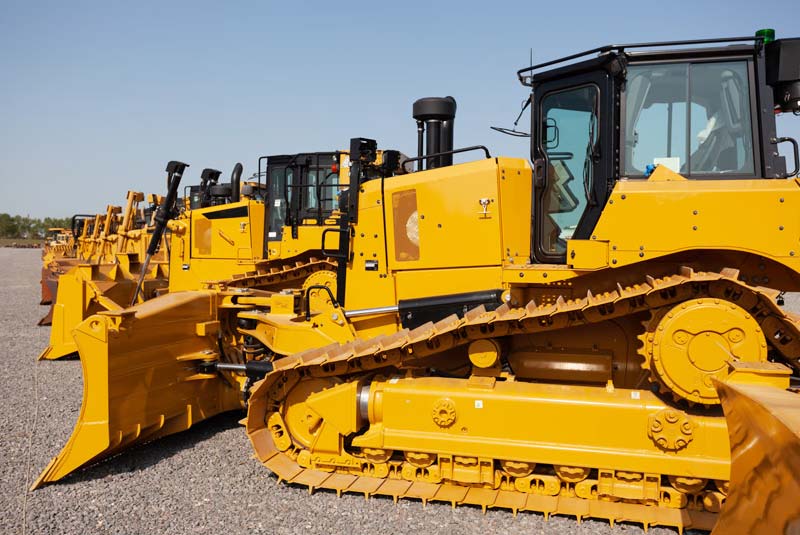
Modern developments focus on durability, ease of replacement, and environmental impact.
Modular Track Systems
- Allow replacement of worn shoes individually
- Reduce operational downtime
Smart Track Monitoring
- Embedded sensors monitor temperature, wear, and tension
- Real-time alerts prevent catastrophic failures
Eco-Friendly Track Designs
- Low-ground-pressure tracks reduce soil compaction
- Essential for sensitive environments such as wetlands
FAQ
What is the average lifespan of bulldozer tracks?
2,000–5,000 hours depending on terrain, load, and maintenance. Advanced alloy tracks may last 6,000+ hours.
How do I select the right track type for my project?
Consider terrain, machine type, load, and environmental sensitivity. Use single-grouser for rough terrain, flat-bottom for soft soils.
Can ultra-wide tracks be used on standard construction sites?
No, they are designed for low ground pressure applications. Using them on hard surfaces increases wear and reduces maneuverability.
How often should track shoes be replaced?
Replace when lugs wear down 50–60% or cracks appear. Track pins should be inspected monthly.
Are rubber tracks suitable for bulldozers?
Rubber tracks are suitable only for mini bulldozers or light operations; steel tracks are standard for heavy-duty work.
What industry standards should I check?
ISO 6165 and SAE J1996 are widely accepted standards covering dimensions, load ratings, and performance of track assemblies.
About Dingtui
The company specializes in the research, development, and manufacturing of large dozers and core components, offering a comprehensive product line covering the full range of heavy construction machinery.
Get in Touch with Us
Contact us for product details, pricing, and technical support. Our team is ready to assist you with reliable solutions for your projects.