
Crawler Bulldozer Buying Guide: How to Choose the Right Machine for Your Projects
Key Takeaways
- A crawler bulldozer is essential for heavy-duty earthmoving in complex terrain
- Ground pressure, engine power, and track design directly affect performance
- Specialized models (wetland, desert, forestry) improve efficiency in specific environments
- Proper configuration can reduce operating costs by 20–35%
- Choosing the right machine improves productivity, safety, and long-term ROI
Introduction
In large-scale construction and infrastructure projects, equipment selection is one of the most critical decisions. A mismatched machine can lead to delays, increased fuel consumption, excessive wear, and even project failure.
According to industry reports, inefficient equipment selection can increase operational costs by up to 30% and reduce project efficiency significantly. On the other hand, a properly selected crawler bulldozer can improve productivity, reduce downtime, and ensure stable performance across various terrains.
From wetlands and deserts to forestry and urban construction, modern bulldozers are no longer one-size-fits-all machines. Understanding their configurations, capabilities, and specifications is essential for buyers who want to maximize performance and minimize risk.
Table of Contents
Understanding Crawler Bulldozer Basics
What is a Crawler Bulldozer?
A crawler bulldozer is a track-mounted earthmoving machine designed for pushing, grading, and leveling materials. Unlike wheeled machines, it uses tracks to distribute weight evenly. This allows it to operate efficiently on soft, uneven, or loose ground.
Why It Dominates Heavy-Duty Applications
Tracked machines provide superior traction and stability. They are less likely to slip or sink in challenging terrain. This makes them indispensable for infrastructure, mining, and environmental projects.
Key Concepts Every Buyer Should Understand
Ground Pressure and Terrain Adaptability
Ground pressure determines how much force the machine exerts on the surface. Lower pressure improves flotation on soft ground. This is critical for wetlands and sandy environments.
Powertrain and Torque Delivery
The powertrain includes the engine, transmission, and torque converter. A well-matched system ensures smooth power delivery. It improves fuel efficiency and operational stability.
Undercarriage Durability
The undercarriage is one of the most critical components. It absorbs shock and supports the machine. High-quality undercarriage systems reduce maintenance costs.
Types of Crawler Bulldozer by Working Environment
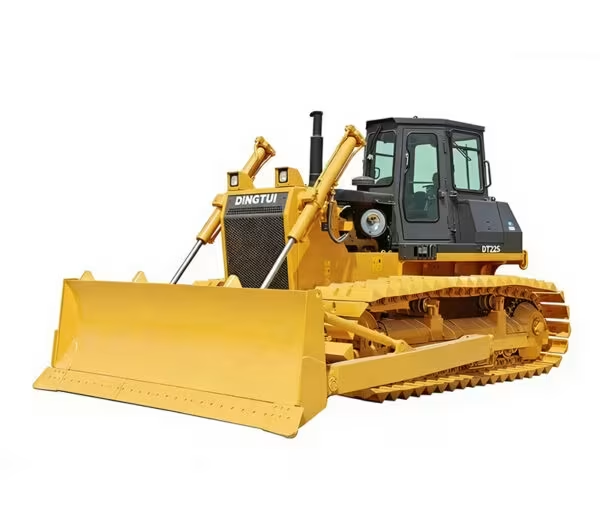
Wetland Crawler Bulldozer
Structural Characteristics
Wetland models feature ultra-wide track shoes, often up to 910 mm. This reduces ground pressure to around 35 kPa. It prevents sinking in muddy terrain.
Operational Advantages
These machines provide stable movement in low-bearing-capacity environments. They maintain traction even in waterlogged conditions. This ensures consistent productivity.
Typical Applications
- Marshland construction
- River dredging
- Environmental restoration
- Water conservancy projects
Desert Crawler Bulldozer
Structural Characteristics
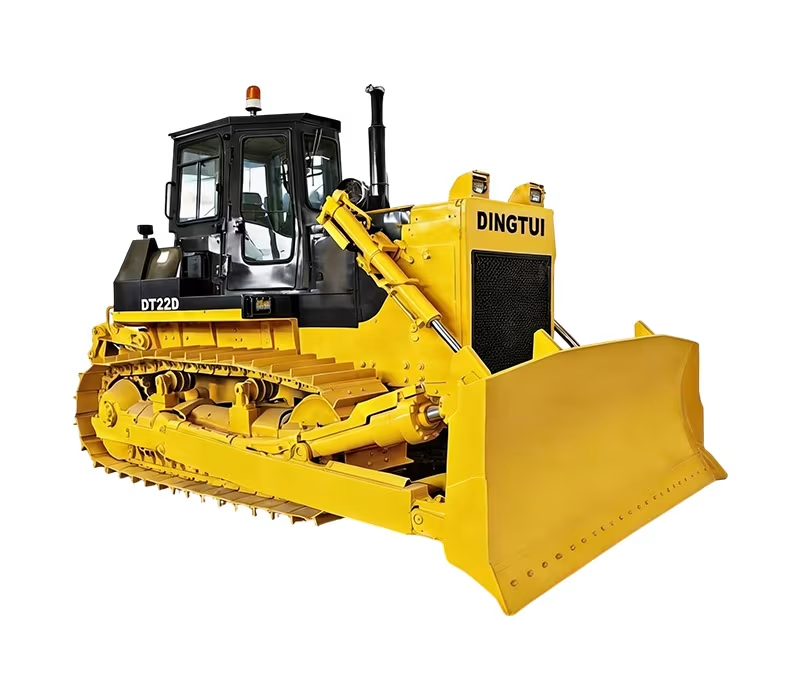
Desert models use wider tracks (around 660 mm) and reinforced undercarriages. Ground pressure is optimized at approximately 56 kPa. This prevents sinking in loose sand.
Operational Advantages
They maintain stability on shifting terrain. Strong traction ensures continuous operation. This improves efficiency in arid regions.
Typical Applications
- Oilfield road construction
- Mining access roads
- Desert infrastructure projects
Forestry Crawler Bulldozer
Structural Characteristics
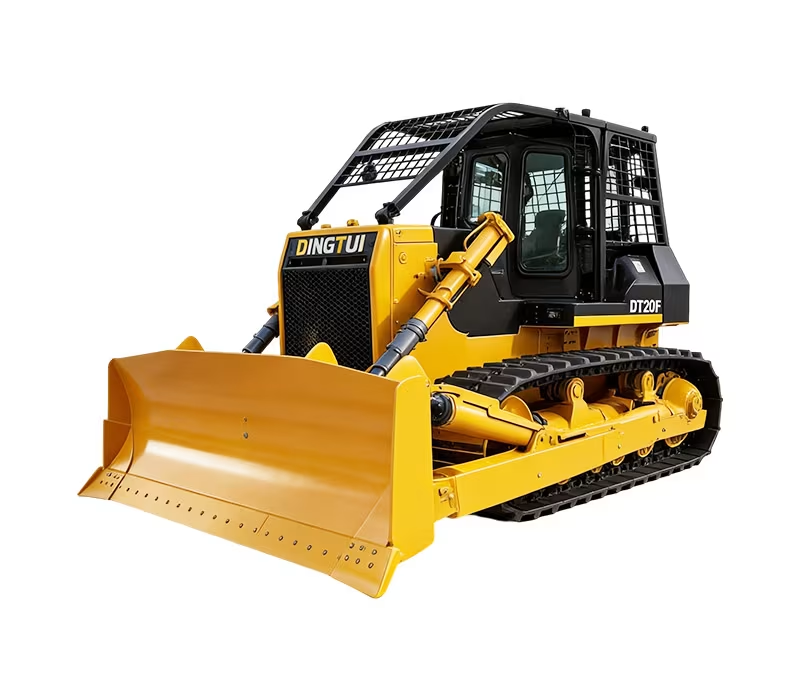
Forestry models are built for obstacle-rich environments. They include reinforced chassis and protective structures. Ground contact length is extended for stability.
Operational Advantages
They provide excellent maneuverability in uneven terrain. Flexible blade configurations improve adaptability. This supports multi-purpose operations.
Typical Applications
- Forest road construction
- Land clearing
- Infrastructure development in rural areas
Technical Comparison Table
| Model Type | Operating Weight | Power Output | Ground Pressure | Track Width | Best Application |
|---|---|---|---|---|---|
| Wetland Model | 25,700 kg | 162–175 kW | 35.2 kPa | 910 mm | Soft ground |
| Desert Model | 24,600–25,800 kg | 175 kW | 56 kPa | 660 mm | Sandy terrain |
| Forestry Model | 24,700 kg | 175 kW | 64 kPa | 610–660 mm | Complex terrain |
Crawler Bulldozer vs Other Equipment Options
Crawler Bulldozer vs Wheel Bulldozer
Crawler Bulldozer
- Superior traction
- Better stability
- Suitable for soft ground
Wheel Bulldozer
- Higher speed
- Better for hard surfaces
- Lower traction
Crawler Bulldozer vs Excavator
Crawler Bulldozer
- Ideal for pushing and leveling
- High efficiency in earthmoving
- Lower precision
Excavator
- Better for digging and lifting
- Higher precision
- Slower for bulk movement
Core Performance Factors to Evaluate
Engine Power and Fuel Efficiency
Engines such as turbocharged diesel units provide strong output. Efficient engines reduce fuel consumption. This lowers operating costs.
Transmission System
Power-shift transmissions ensure smooth operation. Torque converters improve load handling. Reliable systems enhance durability.
Hydraulic System
Hydraulics control blade movement and attachments. Advanced systems improve precision. This increases operational efficiency.
Blade and Attachment Options
Straight Blade (S-Blade)
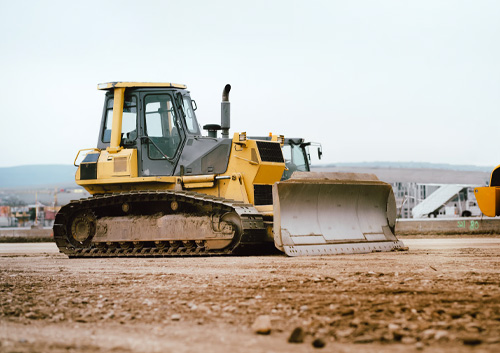
Used for general grading. Provides precise control. Suitable for most applications.
Universal Blade (U-Blade)
Designed for moving large volumes of material. Increases productivity. Ideal for heavy-duty work.
Angle Blade
Allows side movement of material. Useful for road construction. Improves versatility.
Ripper Attachments
Used for breaking hard ground. Available in single or multi-shank configurations. Enhances machine capability.
Industry Standards and Compliance
Emission Standards
Modern machines comply with emission standards such as Stage III or Tier 4. This reduces environmental impact. Compliance is essential for global markets.
Safety Standards
Cab designs include ROPS and FOPS protection. These ensure operator safety. They are required in many regions.
Real Case Study: Infrastructure Project Efficiency
A highway construction project used specialized crawler bulldozers for soft soil conditions. Before optimization:
- Frequent delays
- High fuel consumption
After selecting appropriate models:
- Productivity increased by 28%
- Fuel consumption reduced by 18%
- Maintenance costs decreased significantly
This highlights the importance of proper equipment selection.
Cost Analysis and ROI
Initial Investment
Crawler bulldozers require a high upfront investment. However, they deliver strong performance. This balances the cost.
Operating Costs
Fuel, maintenance, and parts are key factors. Efficient machines reduce expenses. Proper maintenance extends lifespan.
ROI Insights
Machines used at high utilization rates can recover costs within 2–4 years. Specialized models improve efficiency. This increases profitability.
Maintenance and Lifecycle Management
Routine Maintenance
Regular inspection of tracks, engine, and hydraulics is essential. Preventive maintenance reduces downtime. It ensures reliability.
Spare Parts Availability
Reliable supply chains ensure quick replacement. This minimizes delays. It improves operational continuity.
Lifecycle Expectancy
With proper maintenance, machines can operate for over 10,000–15,000 hours. This ensures long-term value.
Future Trends in Crawler Bulldozer Technology
Smart Control Systems
Modern machines include digital monitoring systems. These provide real-time data. They improve efficiency and safety.
Autonomous Operation
Automation is becoming more common. It reduces operator workload. It increases precision and productivity.
Sustainable Engineering
Fuel efficiency and emission reduction are key trends. Manufacturers focus on eco-friendly designs. This aligns with global regulations.
Buying Strategy for Global Buyers
Step 1: Identify Project Requirements
Understand terrain, workload, and environment. This determines the type of machine needed. Proper planning ensures success.
Step 2: Compare Technical Specifications
Evaluate power, weight, and ground pressure. Match these with project needs. This ensures optimal performance.
Step 3: Select a Reliable Supplier
Choose suppliers with proven experience. Ensure after-sales support and spare parts availability. This reduces risks.
FAQ
What is a crawler bulldozer mainly used for?
It is used for pushing, leveling, and moving large volumes of earth. It is widely used in construction, mining, and infrastructure projects.
How do I choose the right crawler bulldozer?
Consider terrain, load requirements, and project scale. Match specifications to your needs. This ensures efficiency.
What is the difference between wetland and desert models?
Wetland models have lower ground pressure for soft soil. Desert models are optimized for sandy terrain. Each is designed for specific conditions.
How long does a crawler bulldozer last?
With proper maintenance, it can operate for many years. Usage conditions affect lifespan. Regular servicing is essential.
Is it worth investing in a crawler bulldozer?
Yes, for heavy-duty projects it offers high productivity and durability. It provides strong ROI over time.
Conclusion
Selecting the right crawler bulldozer is essential for achieving efficiency, reliability, and cost-effectiveness in modern construction projects. With multiple configurations available for different environments, buyers must carefully evaluate specifications, performance, and supplier capabilities.
By understanding key technical factors and aligning them with project requirements, you can make a smart investment that delivers long-term value and consistent performance.
About Dingtui
The company specializes in the research, development, and manufacturing of large dozers and core components, offering a comprehensive product line covering the full range of heavy construction machinery.
Get in Touch with Us
Contact us for product details, pricing, and technical support. Our team is ready to assist you with reliable solutions for your projects.