
البلدوزر ذو العجلات مقابل الزاحف
في صناعة البناء والتربة التنافسية اليوم، لم يعد اختيار المعدات يتعلق فقط بقدرة الحصان، بل يتعلق بالكفاءة، وتكلفة دورة الحياة، والقدرة على التكيف مع التضاريس، والعائد على الاستثمار. الاختيار بين عجلة جرافة ويمكن للجرافة الزاحفة أن تؤثر بشكل كبير على الإنتاجية واستهلاك الوقود ونفقات الصيانة طويلة المدى.
مع توسع مشاريع البنية التحتية عالميًا وزيادة تعقيد ظروف موقع العمل، يعد فهم الاختلافات الحقيقية بين هذين النوعين من الآلات أمرًا بالغ الأهمية للمقاولين ومديري المشاريع ومشتري المعدات. يوفر هذا الدليل الشامل مقارنة تعتمد على البيانات ورؤى عملية وتحليلًا مدعومًا من الصناعة لمساعدتك على اتخاذ القرار الصحيح.
جدول المحتويات
الوجبات السريعة الرئيسية قبل الاختيار
- توفر الجرافة ذات العجلات قدرة عالية على الحركة وسرعة سفر أسرع
- يوفر الجرار الزاحف قوة جر ودفع فائقة
- ظروف التضاريس هي عامل القرار الأساسي
- تختلف تكلفة دورة الحياة بشكل كبير بين أنظمة الإطارات والمسار
- يضمن الاختيار الخاص بالتطبيق أقصى قدر من الكفاءة
- الابتكارات الحديثة تعمل على تضييق فجوات الأداء
فهم الاختلافات بين البلدوزر ذو العجلات والزاحف
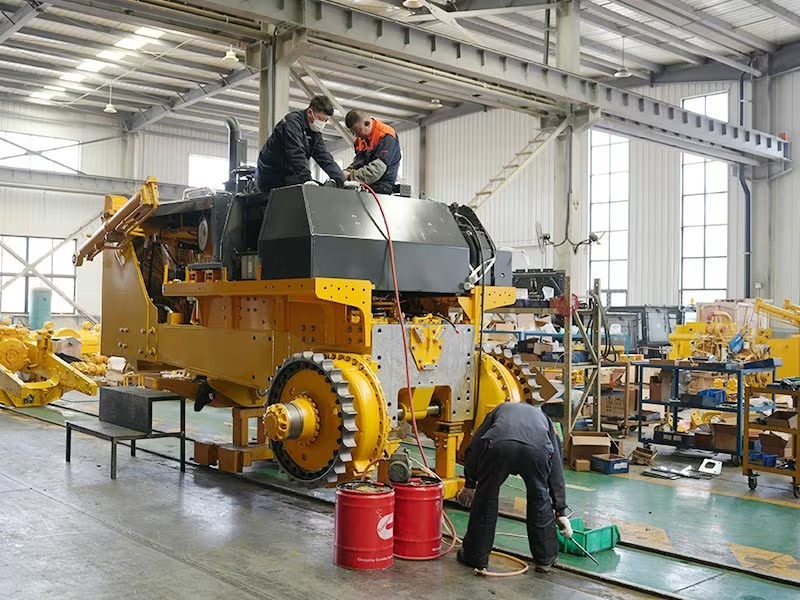
بعجلة جرافة وتم تصميم الجرار الزاحف لبيئات تشغيلية متميزة. وبينما يؤدي كلاهما مهام تحريك التربة، فإن الاختلافات الهيكلية بينهما تحدد مدى فعالية عملهما في ظل ظروف مختلفة.
تعطي أنظمة الجرافات ذات العجلات الأولوية للسرعة والمرونة، مما يجعلها مثالية للمشاريع التي تتطلب النقل المتكرر. في المقابل، تم تصميم الجرافات الزاحفة لتحقيق الاستقرار والجر في التضاريس الصعبة.
اختلافات التصميم الأساسية في البلدوزر ذو العجلات مقابل الزاحف
نظام التنقل في الجرافة ذات العجلات
تستخدم الجرافة ذات العجلات إطارات هوائية بدلاً من المسارات.
وهذا يسمح بسرعات سفر أعلى تصل في كثير من الأحيان إلى 35.40 كم/ساعة مما يجعلها مناسبة للمشاريع ذات مناطق العمل المتفرقة.
نظام المسار في الجرافة الزاحفة
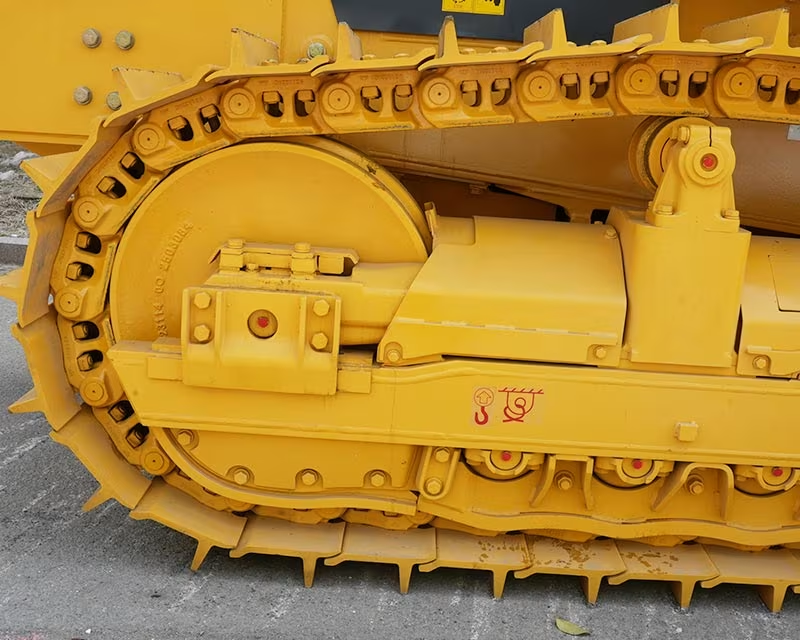
تستخدم الجرافات الزاحفة مسارات فولاذية تعمل على توزيع وزن الماكينة على مساحة سطح أكبر.
وهذا يقلل من الضغط الأرضي (عادة 30.50 كيلو باسكال) ويعزز الاستقرار على التضاريس الناعمة أو غير المستوية.
مقارنة الضغط الأرضي
يحدد الضغط الأرضي كيفية تفاعل الآلة مع السطح.
- الجرافة ذات العجلات: 80 بوصة 120 كيلو باسكال (ضغط أعلى)
- الجرار الزاحف: 30.50 كيلو باسكال (ضغط أقل)
يقلل الضغط الأرضي المنخفض من اضطراب التربة ويحسن التعويم على الأرض الناعمة.
مقارنة الأداء: البلدوزر ذو العجلات مقابل الزاحف
| ميزة | جرافة بعجلات | الجرار الزاحف |
|---|---|---|
| سرعة السفر | 30.40 كم/ساعة | 5.50 كم/ساعة |
| القدرة على التكيف التضاريس | أسطح ثابتة ومرصوفة | تضاريس ناعمة وموحلة |
| كفاءة الوقود | أعلى في العبور | أعلى في دفع العمل |
| الجر | معتدل | ممتاز |
| القدرة على المناورة | عالي | معتدل |
| الضغط الأرضي | عالي | منخفض |
| تكلفة الصيانة | أقل | أعلى |
| متوسط العمر | 8000 إلى 12000 ساعة | 10.000 إلى 15.000 ساعة |
مميزات الجرافة ذات العجلات
حركة عالية وسرعة
بعجلة جرافة يمكن التنقل بين مواقع العمل دون الحاجة إلى مقطورات.
تعتبر ميزة التنقل هذه ذات أهمية خاصة في مشاريع البنية التحتية الحضرية حيث يتم توزيع مناطق عمل متعددة عبر مناطق مختلفة.
في التطبيقات العملية، يمكن للجرافات ذات العجلات أن تصل إلى سرعات سفر تبلغ 30.40 كم/ساعة, ، وهو أعلى بكثير من الأجهزة من النوع الزاحف. وهذا يقلل من وقت النقل، ويحسن استمرارية سير العمل، ويقلل من وقت توقف المشروع.
في صيانة الطرق بالمدينة، غالبًا ما يفضل مقاولو البلديات الجرافات ذات العجلات لأنها تستطيع إكمال مهام متعددة للمسافات القصيرة خلال نوبة عمل واحدة دون معدات نقل إضافية.
انخفاض تكاليف التشغيل
تعد الأنظمة المعتمدة على الإطارات بشكل عام أسهل وأرخص في الصيانة من أنظمة المسار.
تشير تقارير صيانة الصناعة إلى إمكانية تحمل تكاليف تشغيل الجرافة ذات العجلات 20% على وشك 30% أقل مقارنة بالآلات الزاحفة في ظل ظروف عمل مماثلة.
تشمل العوامل الرئيسية لتوفير التكاليف ما يلي
- تآكل الهيكل السفلي السفلي
- انخفاض متطلبات التشحيم
- تحول أسرع في الصيانة
- استبدال أسهل للمكونات البالية
بالإضافة إلى ذلك، تعد دورات استبدال الإطارات أكثر قابلية للتنبؤ بها وأقل كثافة في العمالة مقارنة بأنظمة المسار الزاحف، والتي غالبًا ما تتطلب فحصًا وتعديلًا كاملاً للهيكل السفلي.
التنوع عبر التطبيقات
تُستخدم آلات الجرافة ذات العجلات على نطاق واسع في سيناريوهات هندسية متعددة نظرًا لمرونتها.
تشمل التطبيقات النموذجية ما يلي:
- بناء الطرق وإعادة رصفها
- تطوير البنية التحتية الحضرية
- دفع المواد وإدارة المخزون
- تنظيف وتسوية المواقع الصناعية
تسمح هذه الوظائف المتعددة للمقاولين بتقليل حجم الأسطول مع الحفاظ على الكفاءة التشغيلية. في العديد من شركات البناء متوسطة الحجم، يمكن للجرافة ذات العجلة الواحدة أن تحل محل العديد من الآلات المتخصصة في ظروف التضاريس غير القاسية.
مزايا الجرافة الزاحفة
الجر والاستقرار المتفوق
تتفوق الجرافات الزاحفة في البيئات الصعبة مثل الطين والرمل والحصى والمنحدرات الشديدة.
يقوم نظام المسار المستمر الخاص بهم بتوزيع وزن الماكينة بالتساوي، مما يؤدي إلى انخفاض كبير في الضغط الأرضي بشكل غير عادي 30.50 كيلو باسكال, ، مقارنة بالأنظمة ذات العجلات التي قد تتجاوز 80.120 كيلو باسكال.
يضمن هذا التصميم:
- انخفاض الانزلاق في التربة الرخوة
- عملية مستقرة على التضاريس غير المستوية
- تعزيز السلامة في ظروف المنحدر
بالنسبة لمشاريع نقل التربة واسعة النطاق، تعد ميزة الجر هذه أمرًا بالغ الأهمية للحفاظ على الإنتاجية في ظروف الأرض غير المستقرة.
قوة دفع أعلى
نظرًا للاتصال الأرضي الأفضل، تولد الجرافات الزاحفة قوة شفرة أعلى بكثير وكفاءة دفع.
وهذا مهم بشكل خاص في مشاريع التعدين واستغلال المحاجر والحفر الكبيرة حيث تكون المقاومة من التربة الكثيفة أو الصخور عالية.
في المعايير الهندسية، يمكن للجرافات الزاحفة تقديم ما يلي
- قوة سحب قضيب الجر أعلى
- عمق اختراق أكبر للشفرة
- تحسين الاحتفاظ بالحمل أثناء دورات الدفع
وهذا يجعلها الخيار المفضل لعمليات نقل التربة الثقيلة حيث تكون الطاقة الخام أكثر أهمية من التنقل.
الموثوقية في الظروف القاسية
تم تصميم الجرافات الزاحفة لبيئات العمل القاسية، بما في ذلك:
- مناطق البناء الرطبة والموحلة
- أسطح التعدين الصخرية
- التضاريس المغطاة بالثلوج
- أرض غير مستوية وغير مستعدة
يضمن نظام الهيكل السفلي القوي أداءً ثابتًا حتى في ظل الحمل الثقيل المستمر. تقلل هذه الموثوقية من مخاطر الانقطاعات التشغيلية في البنية التحتية الحيوية ومشاريع التعدين.
المقارنة القائمة على التطبيق
مشاريع البناء والحضرية
تعتبر الجرافة ذات العجلات مثالية للمشاريع الموجودة في المدينة نظرًا لسرعتها ومرونتها وانخفاض مستوى الاضطراب الأرضي.
يشيع استخدامه في:
- صيانة الطرق
- التصنيف الحضري
- عمليات التنظيف البلدية
يفضل استخدام الجرافات الزاحفة من أجل:
- التنقيب التأسيسي
- الإعداد الأولي للأرض
- تصنيف واسع النطاق على أرض غير مستقرة
في تخطيط البناء الحديث، غالبًا ما تُستخدم الجرافات ذات العجلات في المراحل اللاحقة من المشاريع حيث تكون الأسطح مضغوطة بالفعل.
عمليات التعدين والمحاجر
تهيمن الجرافات الزاحفة على تطبيقات التعدين نظرًا لمتانتها وأداء الجر.
فهي ضرورية ل:
- إزالة العبء
- المواد تدفع في الحقول الصخرية السائبة
- عمليات التحميل الثقيل المستمرة
تُستخدم آلات الجرافة ذات العجلات عادةً في أدوار ثانوية مثل:
- إعادة توزيع المواد
- تنظيف الموقع
- مهام النقل لمسافات قصيرة
يعمل تقسيم العمل هذا على تحسين كفاءة الأسطول بشكل عام في عمليات التعدين.
تطوير الطرق والبنية التحتية
تعمل الجرافات ذات العجلات بكفاءة على التربة المضغوطة والأسفلت وأسطح الطرق السريعة.
سرعة سفرهم العالية تجعلهم مناسبين لـ:
- صيانة الطرق السريعة
- إصلاح الطرق الحضرية
- أعمال البنية التحتية سريعة الاستجابة
يتم استخدام الجرافات الزاحفة أثناء:
- تشكيل الطريق الأولي
- تسوية الأرض قبل الرصف
- مهام إزاحة التربة الثقيلة
كفاءة النظام الهيدروليكي
الطاقة الهيدروليكية في البلدوزر ذو العجلات
ذات عجلات حديثة جرافة تستخدم النماذج أنظمة هيدروليكية متقدمة لتحسين التحكم في الشفرة.
يؤدي ذلك إلى تحسين الدقة وتقليل فقدان الطاقة أثناء التشغيل.
التعامل مع الأحمال في الجرافة الزاحفة
تستفيد الجرافات الزاحفة من المنصات المستقرة التي تعزز الكفاءة الهيدروليكية تحت الأحمال الثقيلة.
وهذا يؤدي إلى أداء ثابت في المهام عالية المقاومة.
تحليل استهلاك الوقود وكفاءته
تختلف كفاءة استهلاك الوقود حسب عبء العمل والتضاريس.
- الجرافة ذات العجلات: انخفاض استهلاك الوقود بمقدار 10 درجات حرارة 151 طنًا في سيناريوهات النقل
- الجرار الزاحف: 10 monre20% أكثر كفاءة في عمليات الدفع الثقيلة
يمكن أن يؤدي تحسين اختيار الماكينة بناءً على نوع المهمة إلى تقليل تكاليف الوقود بشكل كبير.
الصيانة وتحليل تكلفة دورة الحياة
صيانة الإطارات مقابل المسار
- الإطارات: تكلفة استبدال أقل، وصيانة أسهل
- المسارات: تكلفة أعلى، وتتطلب شدًا واستبدالًا منتظمًا
يمكن أن تمثل أنظمة المسار ما يصل إلى 50% من إجمالي تكاليف الصيانة في الأجهزة الزاحفة.
فترات التوقف والخدمة
عادةً ما تتمتع أنظمة الجرافات ذات العجلات بأوقات خدمة أقصر.
قد تتطلب الجرافات الزاحفة وقتًا أطول للتوقف بسبب صيانة الهيكل السفلي المعقدة.
معايير الصناعة ومعايير الأداء
المعايير ذات الصلة
- ISO 6016: أداء آلات تحريك التربة
- SAE J1308: معايير أداء شفرة الجرافة
- ISO 9249: قياس قوة المحرك
تضمن هذه المعايير تقييمًا متسقًا لأداء الماكينة وموثوقيتها.
مقاييس الأداء
تشمل المقاييس الرئيسية المستخدمة في التقييم ما يلي:
- سحب قضيب الجر
- سعة الشفرة (م³)
- الوزن التشغيلي
- معدل استهلاك الوقود
تساعد هذه المقاييس المشترين على مقارنة الآلات بشكل موضوعي.
دراسات حالة في العالم الحقيقي
مشروع البنية التحتية الحضرية
استبدل مشروع بناء الطرق في جنوب شرق آسيا الجرافات الزاحفة بالجرافات ذات العجلات جرافة وحدات لتوزيع المواد.
أظهرت النتائج زيادة في الإنتاجية بمقدار 25% وانخفاضًا بمقدار 15% في تكاليف الوقود.
كفاءة تشغيل التعدين
استخدمت شركة تعدين في أستراليا الجرافات الزاحفة في أعمال التنقيب الثقيلة.
أدى التحول إلى الجرافة ذات العجلات للمهام الثانوية إلى تقليل وقت خمول المعدات بمقدار 18%.
الابتكارات التكنولوجية في تصميم البلدوزر
أنظمة التحكم الذكية
الآلات الحديثة تتكامل نظام تحديد المواقع وأنظمة التليماتية للمراقبة في الوقت الحقيقي.
وهذا يحسن الكفاءة التشغيلية ويقلل من الأخطاء البشرية.
التطورات الهجينة والكهربائية
وتشمل التقنيات الناشئة الجرافات الهجينة التي تقلل الانبعاثات واستهلاك الوقود.
وتتوافق هذه الابتكارات مع أهداف الاستدامة العالمية.
الأثر البيئي والاستدامة
خفض الانبعاثات
تنتج آلات الجرافة ذات العجلات عمومًا انبعاثات أقل أثناء النقل بسبب الكفاءة العالية.
الحفاظ على التربة
تعمل الجرافات الزاحفة على تقليل ضغط التربة بسبب انخفاض الضغط الأرضي.
وهذا أمر بالغ الأهمية في المشاريع الحساسة بيئيا.
العوامل الرئيسية عند اختيار الجرافة ذات العجلات
ظروف التضاريس
تقييم نوع التربة وظروف السطح.
تعمل الجرافة ذات العجلات بشكل أفضل على أرض مستقرة.
مقياس المشروع
تستفيد المشاريع الصغيرة والمتوسطة من مرونة الجرافة ذات العجلات.
قد تتطلب المشاريع واسعة النطاق جرافات زاحفة.
قيود الميزانية
خذ بعين الاعتبار تكاليف الاستثمار الأولي ودورة الحياة.
غالبًا ما توفر الجرافة ذات العجلات عائد استثمار أفضل في المشاريع الحضرية.
المفاهيم الخاطئة الشائعة
الجرافة ذات العجلات مخصصة للأعمال الخفيفة فقط
يمكن لآلات الجرافات ذات العجلات الحديثة التعامل مع المهام المتوسطة بكفاءة.
أدى التقدم في التصميم إلى تحسين قدراتهم بشكل كبير.
الجرار الزاحف دائمًا ما يكون أكثر متانة
على الرغم من متانتها، تتطلب أنظمة الزاحف المزيد من الصيانة.
يجب تقييم المتانة جنبًا إلى جنب مع التكلفة والتطبيق.
الأسئلة الشائعة
أيهما أفضل لمشاريع البناء؟
بعجلات جرافة هو أفضل للمشاريع الحضرية ومشاريع الطرق، في حين أن الجرار الزاحف مثالي للتضاريس الوعرة.
هل يمكن للجرافة ذات العجلات أن تحل محل الجرار الزاحف؟
في بعض التطبيقات، نعم. ومع ذلك، لا تزال المهام الثقيلة تتطلب آلات زاحفة.
ما هو فرق التكلفة؟
عادةً ما تكون تكاليف الجرافة ذات العجلات أقل مقدمًا وتكاليف الصيانة مقارنة بالجرافات الزاحفة.
ما هي الآلة التي لها عمر أطول؟
تدوم الجرافات الزاحفة بشكل عام لفترة أطول بسبب بنيتها القوية، ولكنها تتطلب صيانة أعلى.
كيف أختار الجهاز المناسب؟
قم بتقييم التضاريس وعبء العمل والميزانية والمتطلبات التشغيلية قبل اتخاذ القرار.
خاتمة
القرار بين العجلة جرافة ويعتمد الجرار الزاحف على عوامل متعددة، بما في ذلك التضاريس وعبء العمل والتكلفة ومتطلبات المشروع.
توفر الجرافة ذات العجلات السرعة والمرونة وكفاءة التكلفة، مما يجعلها مثالية للتطبيقات الحضرية وتطبيقات البنية التحتية. وفي الوقت نفسه، توفر الجرافات الزاحفة قوة جر وقوة لا مثيل لهما للعمليات الثقيلة.
ومن خلال فهم مقاييس الأداء، وتكاليف دورة الحياة، والتطبيقات الواقعية، يمكن للمشترين اتخاذ قرارات مستنيرة تزيد الإنتاجية والقيمة على المدى الطويل إلى الحد الأقصى.
حول Dingtui
تتخصص الشركة في البحث والتطوير وتصنيع الجرافات الكبيرة والمكونات الأساسية، وتقدم خط إنتاج شامل يغطي مجموعة كاملة من آلات البناء الثقيلة.
تواصل معنا
اتصل بنا للحصول على تفاصيل المنتج والأسعار والدعم الفني. فريقنا على استعداد لمساعدتك في إيجاد حلول موثوقة لمشاريعك.