
Top 5 Máy ủi vàng đáng mua
Chào mừng bạn đến với blog của chúng tôi. chúng tôi là Máy xây dựng Dingtui, được thành lập vào năm 2014 tại Tế Ninh, tỉnh Sơn Đông, trung tâm máy móc xây dựng của Trung Quốc. với hơn 10 năm kinh nghiệm, chúng tôi cung cấp các giải pháp tích hợp bao gồm bán máy, cung cấp phụ tùng, dịch vụ sau bán hàng và sản xuất.
👉 Theo dõi chúng tôi để cập nhật về sản phẩm và hiểu biết sâu sắc về ngành.
👉 Liên hệ với chúng tôi đối với báo giá nhanh và giải pháp tùy chỉnh.
Hãy theo dõi để biết thêm nội dung chuyên gia và kiến thức ngành từ Máy xây dựng Dingtui.
Mục lục
Giới thiệu
Chọn đúng máy ủi có thể thực hiện hoặc phá vỡ một dự án xây dựng, đặc biệt khi xử lý các địa hình phức tạp, vùng đất ngập nước hoặc các nhiệm vụ vận chuyển đất quy mô lớn. Máy ủi màu vàng đã trở thành một biểu tượng của độ tin cậy và hiệu suất hạng nặng trong ngành xây dựng và lâm nghiệp. màu sắc riêng biệt của họ không chỉ là thẩm mỹ mà còn đại diện cho tiêu chuẩn ngành về khả năng hiển thị an toàn, công nhận toàn cầu và kỹ thuật xuất sắc.
Trong bài viết này, chúng ta sẽ khám phá các top 5 máy ủi vàng đáng mua, so sánh các tính năng của chúng, cung cấp thông tin chi tiết có thể hành động về các ứng dụng của chúng và bao gồm dữ liệu trong thế giới thực và nghiên cứu trường hợp.Bạn sẽ tìm hiểu cách kết hợp máy ủi phù hợp với dự án của bạn, từ vùng đất ngập nước đến hoạt động khai thác.
Tổng quan về Blog – Key Takeaways
- Tính năng chi tiết và ưu điểm của từng máy ủi màu vàng hàng đầu
- So sánh hiệu suất, áp suất mặt đất và loại lưỡi dao
- Những hiểu biết sâu sắc dựa trên khái niệm để chọn máy ủi phù hợp với nhu cầu của bạn
- Nghiên cứu trường hợp thực tế và ví dụ sử dụng quốc tế
- Những câu hỏi thường gặp với hướng dẫn thực t
- Lời khuyên của chuyên gia về hiệu quả hoạt động và bảo trì
Giới thiệu về Máy ủi vàng
Máy ủi màu vàng có mặt khắp nơi trên các công trường xây dựng trên toàn thế giới. sự kết hợp của chúng công suất động cơ, hiệu suất thủy lực và hệ thống đường ray bền bỉ làm cho chúng không thể thiếu cho các dự án dân dụng, khai thác mỏ, lâm nghiệp và kỹ thuật môi trường.Theo các Báo cáo thường niên ngành máy xây dựng năm 2024, máy ủi màu vàng chiếm hơn 35% xuất khẩu máy móc xây dựng kiểu bánh xích toàn cầu, làm nổi bật độ tin cậy và tính linh hoạt của chúng.
Chúng được thiết kế để hoạt động hiệu quả trong các loại đất khác nhau, bao gồm phù sa, vùng đầm lầy, đất sét và địa hình nhiều đá. Việc sử dụng đường ray siêu rộng, thiết kế áp suất mặt đất thấp và cấu hình lưỡi dao thay đổi cho phép người vận hành tối đa hóa năng suất đồng thời giảm thiểu tác động đến môi trường.
Các khái niệm chính để chọn một chiếc máy ủi màu vàng
Áp lực mặt đất và sự ổn định
Các áp lực mặt đất của một máy ủi xác định hiệu suất tuyển nổi của nó trên địa hình mềm. áp lực mặt đất thấp hơn ngăn chặn chìm và làm giảm độ nén của đất, đó là rất quan trọng cho các dự án ở vùng đất ngập nước hoặc đất khai hoang. ví dụ, DT16 thủy lực khô-đất Bulldozer có một áp lực mặt đất thấp như 23 kPa, trong khi máy ủi hạng trung thông thường hoạt động ở mức 45 -60 kPa, làm cho DT16 trở nên lý tưởng cho môi trường đầm lầy.
Các loại lưỡi dao và hiệu quả chuyển động đất
Loại lưỡi dao ảnh hưởng đến cả hai hiệu quả xử lý vật liệu và độ chính xác phân loại.Các tùy chọn phổ biến bao gồm:
- Lưỡi nghiêng thẳng: Tiêu chuẩn cho việc vận chuyển đất nói chung
- Lưỡi chữ U: Tối ưu hóa cho việc vận chuyển và vận chuyển vật liệu
- Lưỡi góc: Thích hợp cho việc tạo hình dốc và đào rãnh
- Lưỡi than hoặc vệ sinh chuyên dụng: Được thiết kế cho các ứng dụng công nghiệp cụ th
Việc lựa chọn đúng loại lưỡi đảm bảo hiệu quả sử dụng nhiên liệu tối ưu và giảm thời gian chu kỳ, đặc biệt trong các dự án xây dựng quy mô lớn.
Công suất động cơ, tiêu chuẩn khí thải và hiệu quả sử dụng nhiên liệu
Máy ủi màu vàng hiện đại đi kèm với động cơ diesel điều khiển điện tử đáp ứng các tiêu chuẩn khí thải nghiêm ngặt, chẳng hạn như Trung Quốc Giai đoạn III hoặc EPA Cấp 3 tương đương. Động cơ với tăng áp và hút khí xuyên tâm tăng cường độ bền và ngăn ngừa sự mài mòn liên quan đến bụi, điều này rất quan trọng cho các hoạt động lâu dài trong môi trường khắc nghiệt.
Ví dụ: Máy ủi đa năng DT24 cung cấp công suất động cơ là 206 kW với nhiều chế độ năng lượng có thể lựa chọn, cho phép người vận hành cân bằng giữa tiết kiệm nhiên liệu với hiệu suất cao dưới tải nặng.
Top 5 Máy ủi vàng đáng mua
DT16 thủy lực khô-đất Bulldozer
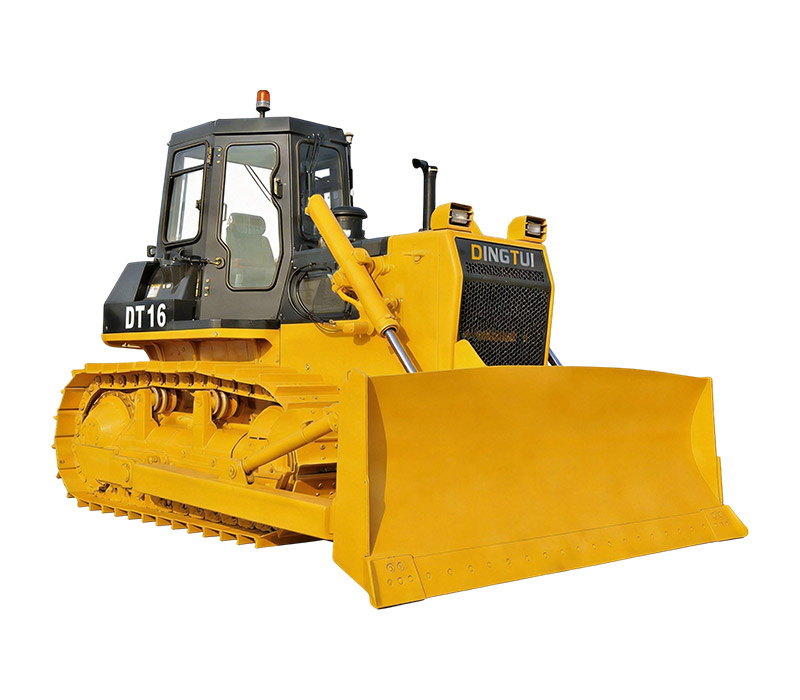
Ứng dụng: Đất mềm, vùng đất ngập nước, bờ sông, vùng đầm lầy
Điểm nổi bật:
- Giày theo dõi 1100mm siêu rộng
- Áp suất mặt đất: 23 kPa
- Dung tích lưỡi: 3,8 m³
- Động cơ: WP10 131 kW, tuân thủ National III
Khái niệm Tổng quan:
DT16 được xây dựng cho địa hình mềm và không ổn định, cung cấp lực kéo phù hợp và ổn định thủy lực. nghiên cứu trường hợp thực tế ở Đông Nam Á đã chỉ ra rằng các đơn vị DT16 có thể hoàn thành các dự án đất ngập nước earthmoving 30% nhanh hơn so với máy ủi hạng trung thông thường, giảm chi phí nhiên liệu và thời gian ngừng hoạt động.
DT16 Series Thủy tĩnh đất ngập nước Bulldozer
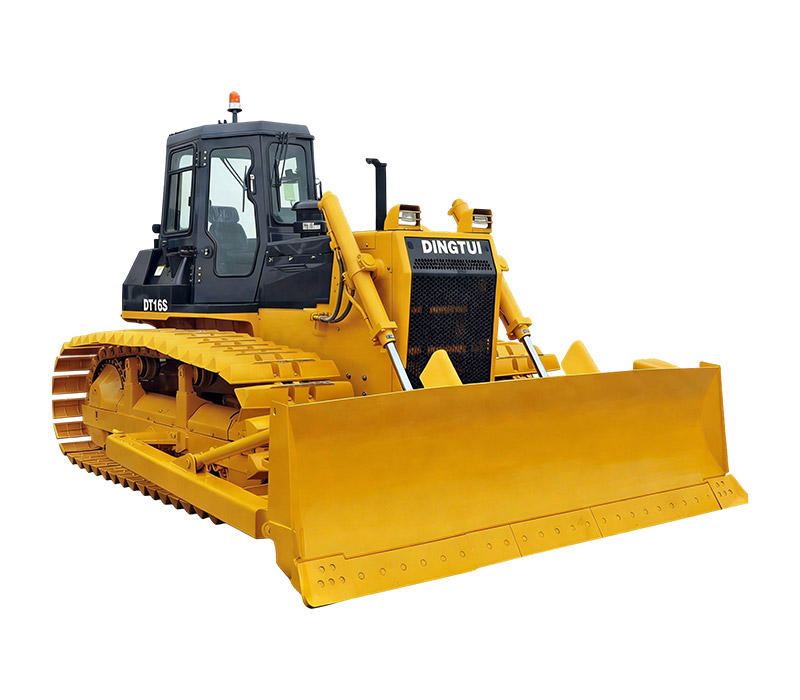
Ứng dụng: Phân loại đất ngập nước, khai quật và xử lý đá
Điểm nổi bật:
- Nhiều tùy chọn lưỡi bao gồm lưỡi chữ U và lưỡi than
- Hệ thống nạp khí xuyên tâm kín khí để chống bụi
- Tốc độ chuyển tiếp: lên tới 9,63 km/h
Khái niệm Tổng quan:
Máy ủi này nhấn mạnh linh hoạt thủy lực, với khả năng điều khiển chính xác lý tưởng cho cải tạo đất và phục hồi môi trường. Theo một whitepaper được xuất bản bởi Liên đoàn khảo sát quốc tế (Hình) 2023, máy ủi thủy tĩnh cải thiện độ chính xác phân loại ở vùng đầm lầy bằng cách 15–20%, khiến chúng trở nên quan trọng đối với các công trình dân dụng có độ chính xác cao.
DT22S Crawler Bulldozer Phiên bản đất ngập nước
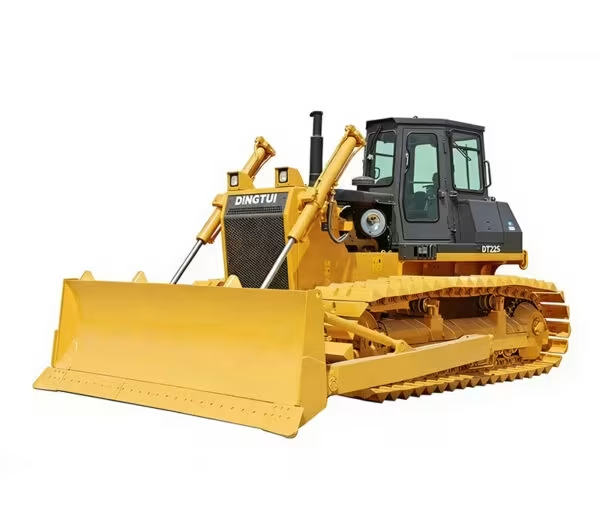
Ứng dụng: Đầm lầy, công trình đất nền, dự án bảo tồn nước
Điểm nổi bật:
- Áp suất mặt đất: 35,2 kPa với chiều rộng rãnh 910 mm
- Dung tích lưỡi: 6,4–6,8 m³
- Bộ chuyển đổi mô-men xoắn thủy lực để cung cấp năng lượng trơn tru
Khái niệm Tổng quan:
DT22S được thiết kế riêng cho xây dựng đất ngập nước, kết hợp hiệu suất tuyển nổi với lực kéo cao. nghiên cứu trường hợp ở đồng bằng sông Amur của Nga cho thấy các đơn vị DT22S có thể hoạt động trong đầm lầy dễ bị lũ lụt mà không có đường trượt, hoàn thành các công trình kè nhanh hơn so với máy ủi truyền thống.
DT24 Máy ủi đa năng
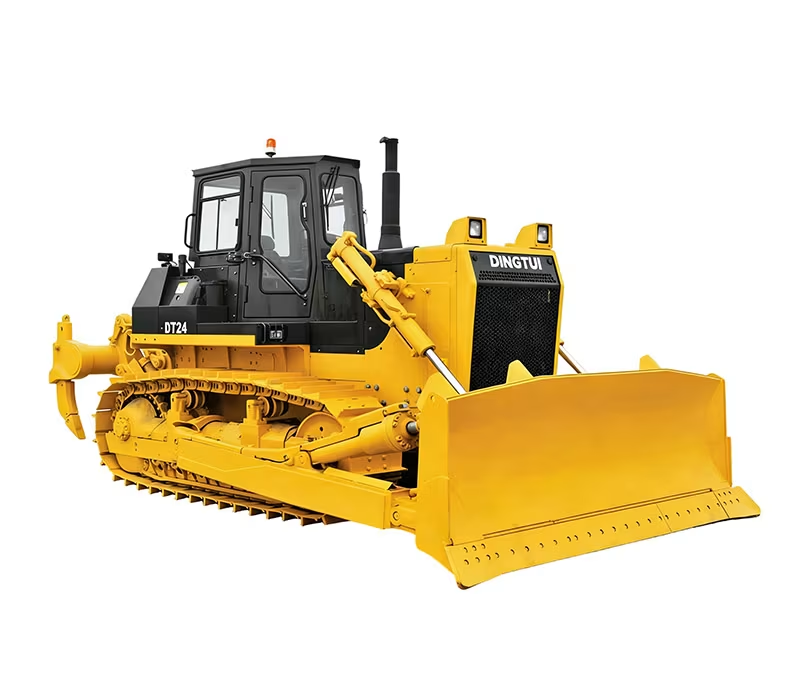
Ứng dụng: Khai thác mỏ, kỹ thuật đô thị, phát triển cơ sở hạ tầng
Điểm nổi bật:
- Tùy chọn lưỡi đa năng cho các nhiệm vụ di chuyển đất khác nhau
- Động cơ thông minh với các chế độ năng lượng có thể lựa chọn
- Chiều rộng giày theo dõi: 560–660 mm
Khái niệm Tổng quan:
DT24 cung cấp tính linh hoạt đa ngành, làm cho nó phù hợp với hoạt động khai thác hạng nặng và các dự án cơ sở hạ tầng đô thị. gầm xe mô-đun của nó đã được thử nghiệm thực địa trong hoạt động bãi than, chứng minh cải thiện độ ổn định và hiệu quả xử lý vật liệu bằng 18% so với máy ủi thế hệ cũ.
DT22F Lâm nghiệp Edition Bulldozer
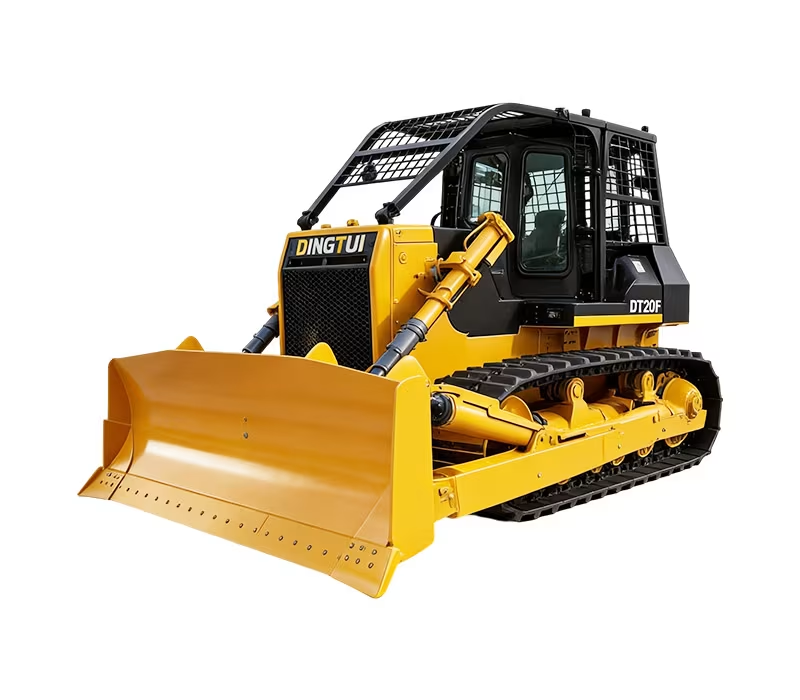
Ứng dụng: Đường rừng, san lấp mặt bằng, hạ tầng ở địa hình không bằng phẳng
Điểm nổi bật:
- Động cơ: 175 kW, Trung Quốc Giai đoạn III
- Cấu hình lưỡi chữ U và ripper tùy chọn
- Áp suất mặt đất: 64 kPa
Khái niệm Tổng quan:
DT22F được thiết kế cho hoạt động lâm nghiệp và địa hình hiểm trở, kết hợp mô-men xoắn cao và tùy chọn lưỡi linh hoạt.Theo Kỹ thuật Lâm nghiệp Ngày nay 2023, máy ủi phiên bản lâm nghiệp giảm thời gian dọn sạch gốc cây bằng cách lên đến 25%, cho phép xây dựng đường nhanh hơn trong rừng rậm.
Bảng so sánh - Máy ủi vàng hàng đầu
| Mô hình | Trọng lượng hoạt động | Công suất lưỡi | Áp lực mặt đất | Công suất động cơ | Kịch bản sử dụng tốt nhất |
|---|---|---|---|---|---|
| DT16 Đất khô thủy lực | 18.400kg | 3,8 m³ | 23 kPa | 131 kW | Vùng đất ngập nước, vùng đầm lầy |
| DT16 Đất ngập nước thủy tĩnh | 17.000 kg | 4,5 m³ | 0,067 MPa | 131 kW | Phân loại và khai quật đất ngập nước |
| DT22S Wetland Phiên bản | 25.700kg | 6,4 -6,8 m³ | 35,2 kPa | 162–175 kW | Đầm lầy, bảo tồn nước |
| DT24 Đa năng | 24.300kg | 4,5 -5,5 m³ | 0,065 MPa | 206 kW | Khai thác mỏ, thành phố, cơ sở hạ tầng |
| DT22F Lâm nghiệp | 24.700kg | 5,0 -5,5 m³ | 64 kPa | 175 kW | Lâm nghiệp & địa hình không bằng phẳng |
Các yếu tố cần xem xét khi chọn một chiếc máy ủi màu vàng
Đất mềm so với đất cứng
Đối với môi trường đất mềm và đất ngập nước, DT16 và DT22S cung cấp áp suất mặt đất thấp và các bản nhạc siêu rộng. cho khu vực xây dựng khó khăn hơn, DT24 và DT22F cung cấp công suất và độ ổn định động cơ cao hơn, hỗ trợ các hoạt động phân loại và vận chuyển đất hạng nặng.
So sánh cấu hình lưỡi dao
Lưỡi dao khác nhau tối ưu hóa máy ủi cho các nhiệm vụ cụ th:
- Lưỡi nghiêng thẳng: Phân loại chung và san lấp mặt bằng đất
- Lưỡi chữ U: Vận chuyển đất rời hoặc cốt liệu hiệu quả
- Lưỡi góc: Nhiệm vụ tạo hình sườn dốc, đào rãnh và xây dựng đô thị
- Lưỡi dao chuyên dụng: Khai thác mỏ, xử lý than và các ứng dụng vệ sinh
Cân nhắc về công suất động cơ
Động cơ công suất cao cho phép hoạt động hạng nặng liên tục với mức tiêu thụ nhiên liệu giảm. người vận hành nên xem xét quy mô dự án, loại đất và yêu cầu tải trọng trước khi chọn một mô hình.
Bảo trì và hiệu quả dịch vụ
Máy ủi màu vàng hiện đại kết hợp nhóm bộ lọc tập trung, bảo vệ bên dễ truy cập và hệ thống giám sát thông minh. Khả năng tiếp cận bảo trì là rất quan trọng để giảm thời gian ngừng hoạt động, đặc biệt là ở các địa điểm dự án ở xa hoặc quốc tế.
Nghiên cứu trường hợp thế giới thực
- Vùng đất ngập nước Đông Nam Á: Máy ủi DT16 hoàn thành cải tạo đất và san lấp mặt bằng kè 30% nhanh hơn hơn các mẫu xe hạng trung cũ.
- Đồng bằng sông Amur, Nga: Máy ủi DT22S hoạt động ở vùng đầm lầy dễ bị lũ lụt mà không bị trượt.
- Hoạt động của bãi than, Trung Quốc: DT24 Máy ủi đa năng tăng hiệu quả xử lý vật liệu lên 18%, giảm thời gian tải và vận chuyển trong các nhiệm vụ vận chuyển quá tải và than.
- Xây dựng đường lâm nghiệp, Nga và Canada: Máy ủi DT22F Forestry Edition giảm thời gian dọn gốc cây lên đến 25%, cho phép chuẩn bị đường rừng nhanh hơn đồng thời giảm thiểu tác động môi trường.
Những nghiên cứu điển hình này nêu bật tầm quan trọng đặc biệt của việc lựa chọn máy ủi màu vàng phù hợp với địa hình và điều kiện dự án cụ thể. Hiệu quả đạt được, tiết kiệm nhiên liệu và giảm chi phí bảo trì đều tương quan chặt chẽ với sự phù hợp chính xác giữa thiết kế máy và môi trường vận hành.
Tiêu chuẩn và Hướng dẫn của ngành về Lựa chọn Máy ủi
Khi chọn máy ủi màu vàng, tuân thủ các tiêu chuẩn quốc tế đảm bảo an toàn, độ tin cậy, tuân thủ môi trường.Các tiêu chuẩn chính bao gồm:
- ISO 6165:2012 – Máy móc chuyển động trên mặt đất – Các loại cơ bản – Thuật ngữ và định nghĩa. Xác định phân loại máy ủi, loại lưỡi dao và đặc tính vận hành.
- ISO 3450:2011 – Máy móc chuyển động trên mặt đất – Bảo vệ người vận hành – Yêu cầu bảo vệ chống lật (ROPS) và bảo vệ vật rơi (FOPS). Đảm bảo an toàn cho người vận hành trong điều kiện làm việc nguy hiểm.
- EPA Cấp 3 / Tiêu chuẩn phát thải giai đoạn III của Trung Quốc – Tiêu chuẩn quy định về khí thải động cơ diesel, đảm bảo tuân thủ ở cả thị trường trong nước và xuất khẩu.
- ASTM D698/D1557 – Tiêu chuẩn nén trong phòng thí nghiệm đối với đất, được sử dụng để xác định sự phù hợp của đất đối với hoạt động của máy ủi ở vùng đất mềm và đất khai hoang.
Việc tuân thủ các tiêu chuẩn này giúp giảm rủi ro hoạt động, tối ưu hóa tuổi thọ của máy, và duy trì quản lý môi trường. ví dụ, thiết kế áp lực mặt đất thấp cho máy ủi đất ngập nước như DT16 và DT22S tuân theo hướng dẫn nén đất để tránh thiệt hại sinh thái trong quá trình xây dựng.
So sánh khái niệm về việc ra quyết định
Công suất lưỡi so với hiệu quả hoạt động
Công suất lưỡi lớn hơn cho phép làm đất nhanh hơn, nhưng có thể làm tăng mức tiêu thụ nhiên liệu. Ví dụ: DT22S Wetland Edition có dung tích cánh là 6,4–6,8 m³, lý tưởng cho các dự án kè lớn, trong khi lưỡi dao 4,5 m³ của Máy ủi thủy tĩnh DT16 phù hợp hơn cho việc phân loại chính xác và ứng dụng đất mềm.
Công suất động cơ so với khả năng thích ứng với địa hình
Công suất động cơ cao cải thiện xử lý tải và hoạt động dốc đứng, nhưng có thể ít tiết kiệm nhiên liệu hơn trong các ứng dụng hạng nhẹ. Người vận hành nên cân bằng sản lượng điện, tiết kiệm nhiên liệu và yêu cầu về địa hình khi chọn máy ủi.
Chiều rộng theo dõi so với áp suất mặt đất
Các đường ray rộng hơn làm giảm áp lực mặt đất và cải thiện tuyển nổi, điều này rất cần thiết cho vùng đất ngập nước và môi trường đất mềm. các đường ray hẹp hơn có thể cải thiện khả năng cơ động trên bề mặt cứng nhưng tăng áp lực mặt đất.
Tiến bộ công nghệ trong máy ủi màu vàng
Máy ủi màu vàng hiện đại kết hợp công nghệ tiên tiến để cải thiện năng suất, an toàn và hiệu quả hoạt động:
- Điều khiển điện thủy lực: Hoạt động đòn bẩy đơn tích hợp chuyển đổi tốc độ, lái, và chuyển động lưỡi, giảm mệt mỏi của người vận hành.
- Truyền thủy tĩnh: Cung cấp phân phối mô-men xoắn trơn tru và kiểm soát chính xác, đặc biệt là ở địa hình nhạy cảm như vùng đất ngập nước.
- Hệ thống giám sát thông minh: Màn hình LCD cung cấp dữ liệu hoạt động theo thời gian thực, phát hiện lỗi tự động và cảnh báo bảo trì dự đoán.
- Hệ thống đèn LED: Cải thiện tầm nhìn hoạt động ban đêm và an toàn trên các công trường xây dựng.
Ví dụ, DT24 Máy ủi đa năng tích hợp màn hình LCD 8 inch với hỗ trợ camera chiếu hậu, cho phép người vận hành thực hiện phân loại chính xác và theo dõi sức khỏe máy đồng thời, nâng cao tính an toàn và hiệu quả.
Những cân nhắc về môi trường và tính bền vững
Hoạt động của máy ủi tác động đến cấu trúc đất, thảm thực vật và dòng nước.Việc chọn máy ủi màu vàng phù hợp sẽ giảm thiểu rủi ro môi trường:
- Đường ray áp lực mặt đất thấp ngăn chặn nén đất ở vùng đất ngập nước và đất khai hoang.
- Kiểm soát lưỡi chính xác làm giảm không cần thiết sự dịch chuyển và xói mòn đất.
- Đảm bảo tuân thủ các tiêu chuẩn khí thải (EPA Cấp 3 /Giai đoạn III của Trung Quốc) giảm ô nhiễm không khí.
- Động cơ tiết kiệm nhiên liệu làm giảm lượng khí thải carbon, đặc biệt là trong các hoạt động dài hạn.
Một nghiên cứu năm 2023 của Viện nghiên cứu thiết bị xây dựng (CERI) cho thấy máy ủi được tối ưu hóa vùng đất ngập nước làm giảm tác động môi trường bằng cách lên đến 40% so với các máy hạng nặng tiêu chuẩn.
Thực hành tốt nhất để vận hành và bảo trì
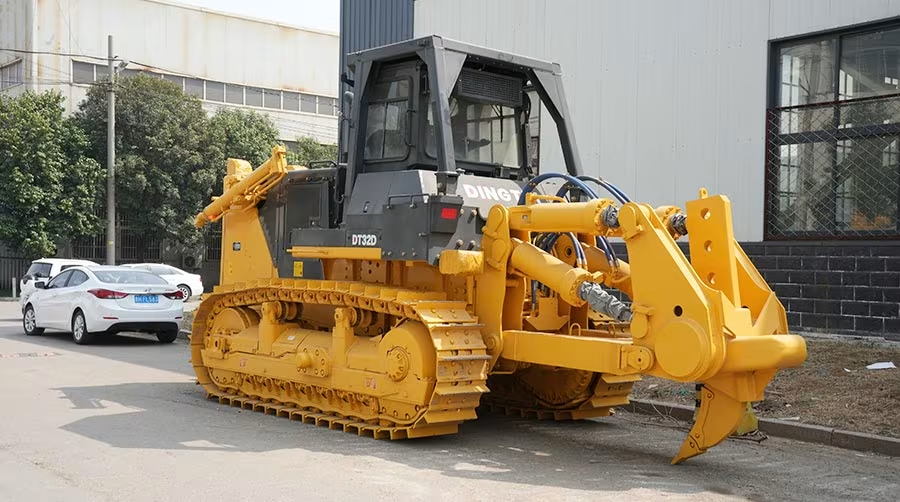
Bảo trì đúng cách đảm bảo hiệu suất lâu dài và an toàn vận hành:
- Kiểm tra hàng ngày các hệ thống thủy lực đối với rò rỉ và tính nhất quán áp suất
- Theo dõi kiểm tra căng thẳng để ngăn ngừa trượt và mòn không đồng đều
- Lọc lịch thay th dựa trên giờ động cơ, đặc biệt là trong môi trường bụi hoặc ẩm ướt
- Đào tạo người vận hành trong kiểm soát chính xác để tránh quá tải và gián đoạn đất không cần thiết
Nhiều công ty hàng đầu, bao gồm Jining Dingtui Máy móc xây dựng, cung cấp hướng dẫn sử dụng, đào tạo tại chỗ và hỗ trợ giám sát từ xa, giúp nâng cao hiệu quả hoạt động và giảm chi phí bảo trì theo thời gian.
Kết luận
Máy ủi màu vàng vẫn rất cần thiết máy hạng nặng đối với các dự án xây dựng, lâm nghiệp, khai thác mỏ, kỹ thuật môi trường. sự lựa chọn đúng đắn phụ thuộc vào loại địa hình, yêu cầu áp suất mặt đất, cấu hình lưỡi dao và công suất động cơ.
- Dòng DT16: Đất mềm, vùng đất ngập nước, phân loại chính xác
- DT22S Wetland Phiên bản: Marshlands, xây dựng kè
- DT24 Máy ủi đa năng: Khai thác mỏ, đô thị, cơ sở hạ tầng
- DT22F Phiên bản lâm nghiệp: Lâm nghiệp và địa hình hiểm trở
Tích hợp hệ thống thủy tĩnh hiện đại, giám sát thông minh và thiết kế cabin tiện dụng đảm bảo các nhà khai thác có thể làm việc hiệu quả trong khi giảm thiểu tác động môi trường. đầu tư vào máy ủi màu vàng phải dịch sang năng suất cao hơn, giảm chi phí nhiên liệu và tuổi thọ máy dài hơn.
Câu hỏi thường gặp
Máy ủi màu vàng nào tốt nhất cho đất mềm và vùng đất ngập nước?
Người mẫu như DT16 Đất khô thủy lực và DT22S Wetland Phiên bản rất lý tưởng do đường ray siêu rộng và thiết kế áp suất mặt đất thấp.
Máy ủi lâm nghiệp có thể xử lý các dự án xây dựng?
Vâng, DT22F Phiên bản lâm nghiệp có thể hoạt động trong các khu vực xây dựng không bằng phẳng, mặc dù cấu hình lưỡi dao và máy xới có thể cần điều chỉnh để phân loại và xử lý vật liệu tối ưu.
Sự khác biệt giữa máy ủi truyền động thủy tĩnh và cơ khí là gì?
Máy ủi thủy tĩnh (ví dụ, DT16 Hydrostatic) cung cấp khả năng kiểm soát mượt mà hơn và độ chính xác tốt hơn ở các địa hình nhạy cảm, trong khi máy ủi truyền động cơ khí excel trong các ứng dụng nền cứng và tải trọng cao với hiệu quả nhiên liệu tốt hơn khi sử dụng liên tục với nhiệm vụ nặng n.
Việc tuân thủ khí thải đối với máy ủi quan trọng như thế nào?
Việc tuân thủ khí thải đảm bảo máy đáp ứng các quy định về môi trường địa phương, giảm ô nhiễm không khí và có thể ảnh hưởng đến giá trị bán lại.Các mô hình đáp ứng Trung Quốc Giai đoạn III / EPA Cấp 3 tiêu chuẩn được ưu tiên cho cả dự án trong nước và quốc tế.
Làm cách nào để chọn lưỡi dao phù hợp cho máy ủi của tôi?
Lựa chọn lưỡi dao phụ thuộc vào loại dự án: nghiêng thẳng để phân loại chung, lưỡi chữ U để vận chuyển vật liệu, lưỡi góc để tạo hình dốc và lưỡi chuyên dụng cho các dự án khai thác, lâm nghiệp hoặc vệ sinh.
Khoảng Dingtui
Công ty chuyên nghiên cứu, phát triển và sản xuất máy ủi lớn và các bộ phận cốt lõi, cung cấp dòng sản phẩm toàn diện bao gồm đầy đủ các loại máy móc xây dựng hạng nặng.
Hãy liên hệ với chúng tôi
Liên hệ với chúng tôi để biết chi tiết sản phẩm, giá cả, và hỗ trợ kỹ thuật. đội ngũ của chúng tôi sẵn sàng hỗ trợ bạn với các giải pháp đáng tin cậy cho các dự án của bạn.