
أعمال البلدوزر مقابل الحفارات: دليل مقارنة عمل الموقع لمشاريع البناء
مرحبا بكم في مدونتنا. نحن شركة Dingtui Construction Machinery، التي تأسست عام 2014 في جينينغ، مقاطعة شاندونغ، مركز آلات البناء في الصين. مع أكثر من 10 سنوات من الخبرة، نقدم حلولاً متكاملة بما في ذلك مبيعات الآلات وتوريد قطع الغيار وخدمة ما بعد البيع والتصنيع.
👉 تابعونا للحصول على تحديثات حول المنتجات ورؤى الصناعة.
👉 اتصل بنا للحصول على عروض أسعار سريعة وحلول مخصصة.
ترقبوا المزيد من المحتوى الخبير والمعرفة الصناعية من Dingtui Construction Machinery.
جدول المحتويات
الوجبات السريعة الرئيسية
- الجرافات تم تحسينها لعمليات الدفع والتصنيف وتحريك التربة السائبة
- تتفوق الحفارات في الحفر وحفر الخنادق والرفع والتعامل الدقيق مع المواد
- تلعب كلتا الآلتين أدوارًا تكميلية في سير عمل البناء الحديث
- يؤثر اختيار المعدات بشكل مباشر على تكلفة المشروع وكفاءته وأداء السلامة
- يمكن أن يؤدي النشر السليم إلى تحسين إنتاجية البناء بمقدار 30 poretay40% في المشاريع الكبيرة
- تحدد معايير الصناعة مثل ISO 6165 تصنيف الماكينة ونطاق الاستخدام
مقدمة
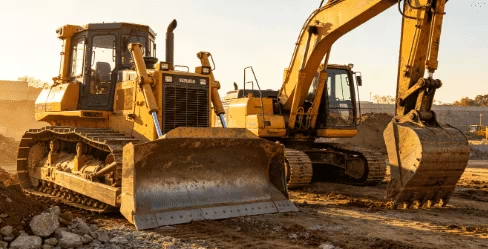
في صناعة البناء والبنية التحتية اليوم، لم تعد كفاءة المعدات مجرد عامل إنتاجية، بل أصبحت استراتيجية للتحكم في التكاليف والسلامة. المقارنة أعمال الجرافة مقابل الحفارات لقد أصبحت نقطة قرار رئيسية للمقاولين والمهندسين ومخططي المشاريع.
من بناء الطرق السريعة وعمليات التعدين إلى البنية التحتية الحضرية وتركيب خطوط الأنابيب، تحدد هاتان الآلتان أساس عمليات نقل التربة الثقيلة. ومع ذلك، فهي غير قابلة للتبديل. تم تصميم كل آلة لنوع معين من عبء العمل وحالة التضاريس والهدف التشغيلي.
وفقا لتقارير معدات البناء العالمية من منظمات مثل أبحاث الطرق الوعرة (OHR) و مجموعات بيانات البنية التحتية لـ Statista, ، الحفارات تمثل أكثر من 45% من الطلب العالمي على معدات البناء, ، في حين تمثل الجرافات تقريبا 18–22%, ، وتتركز بشكل رئيسي في قطاعي التعدين وتنمية الأراضي.
يعد فهم الاختلافات الوظيفية أمرًا ضروريًا لتحسين كفاءة المشروع وتقليل المخاطر التشغيلية.
عمل الجرافة مقابل الحفارة الهندسة المعمارية الوظيفية
مفهوم التصميم الوظيفي لعمل الجرافة
تم تصميم الجرافات للعمليات السطحية عالية الجر. وتتمثل وظيفتها الأساسية في دفع ونشر وتسوية كميات كبيرة من المواد عبر مسافات قصيرة نسبيًا.
إنها تعتمد على شفرة أمامية واسعة ونظام مسار مستمر لتحقيق أقصى قدر من الاتصال بالأرض والاستقرار.
الخصائص الهندسية للجرافة
- توزيع قوة الشفرة مصمم للدفع الأفقي
- نظام المسار الأمثل للضغط الأرضي المنخفض (عادة 30.70 كيلو باسكال)
- محركات ديزل ذات عزم دوران عالي (نطاق 80.700 حصان عادةً)
- سرعة العمل المثالية: 5 درجات حرارة 12 كم/ساعة
مفهوم التصميم الوظيفي لعمل الحفارة
الحفارات عبارة عن أنظمة حفر هيدروليكية مصممة للحركة الرأسية والمفصلية. تكمن قوتها الأساسية في الحفر الدقيق والتعامل المتحكم فيه مع المواد.
وهي تعمل من خلال نظام هيدروليكي بذراع ذراع يسمح بالحركة متعددة المحاور.
خصائص هندسة الحفارات
- نطاق الضغط الهيدروليكي: 25 درجة و35 ميجا باسكال
- قدرة الدوران: 360° تأرجح مستمر
- قوة حفر الدلو: 30 بوصة 200 كيلو نيوتن حسب فئة الطراز
- ملحقات قابلة للتكيف بدرجة عالية (الكسارة، البريمة، الكلاّب)
المعايير الفنية لعمل الجرافة مقابل الحفارة والامتثال للصناعة
نظرة عامة على المعايير الهندسية العالمية
| معيار | منظمة | نطاق |
|---|---|---|
| ايزو 6165 | ISO | تصنيف آلات تحريك التربة |
| ايزو 6015 | ISO | اختبار الحفارة الهيدروليكية |
| ساي J1265 | ساي | قياس أداء الجرافة |
| إن 474 | اللجنة الأوروبية | متطلبات السلامة لآلات تحريك التربة |
تحدد هذه المعايير:
- أنظمة تصنيف الآلات
- إجراءات اختبار السلامة
- قياس الأداء
- متطلبات سلامة المشغل
مقاييس أداء عمل الجرافة مقابل الحفارة
مقارنة معايير الإنتاجية
| متري | جرافة | حفارة |
|---|---|---|
| قدرة تحريك التربة | 300 متر مكعب1200 متر مكعب/ساعة | 100600 م³/ساعة |
| استهلاك الوقود | 15.40 لتر/ساعة | 10.30 لتر/ساعة |
| كفاءة دورة العمل | الدفع المستمر | الحفر الدوري |
| مستوى الدقة | منخفض | عالي |
| نوع الوظيفة المثالي | الدرجات السائبة | التنقيب التفصيلي |
البلدوزر مقابل تكلفة عمل الحفارة وتحليل دورة الحياة
نموذج التكلفة الإجمالية للملكية (TCO)
تقوم شركات البناء بتقييم المعدات باستخدام نماذج تكلفة دورة الحياة التي تشمل الوقود والصيانة والاستهلاك وتدريب المشغلين.
هيكل تكلفة الجرافة
- ارتفاع استهلاك الوقود بسبب قوة الدفع المستمرة
- انخفاض وتيرة الصيانة مقارنة بالحفارات
- دورات استبدال تآكل الشفرة الأطول
هيكل تكلفة الحفارة
- ارتفاع تكاليف صيانة النظام الهيدروليكي
- أنظمة المرفقات الأكثر تكلفة
- زيادة الاعتماد على مهارات المشغل
تحليل تكيف تضاريس عمل الجرافة مقابل الحفارة
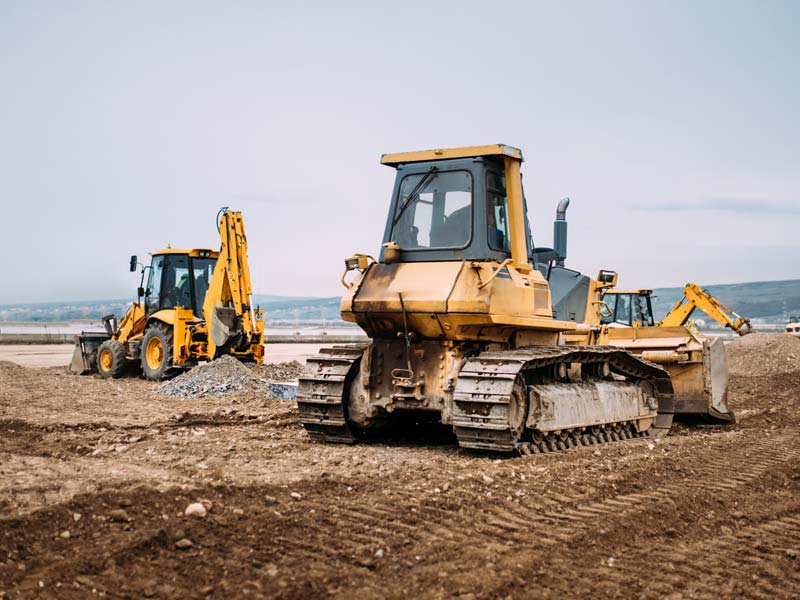
ملاءمة تضاريس الجرافة
الجرافات تؤدي أفضل أداء في:
- مناطق التعدين المفتوحة
- مشاريع تطهير الأراضي واسعة النطاق
- ظروف التربة الناعمة أو غير المستوية
إنها تحافظ على الجر حتى في البيئات الموحلة بسبب الدفع القائم على المسار.
ملاءمة تضاريس الحفارة
تم تحسين الحفارات من أجل:
- مناطق البناء الحضرية المحصورة
- حفر الأساس العميق
- حفر خطوط الأنابيب والمرافق تحت الأرض
تسمح مقصورتها الدوارة بالتشغيل المرن في الأماكن المحظورة.
انهيار مفهوم هندسة عمل الجرافة والحفارة
قوة الشفرة مقابل قوة الحفر الهيدروليكية
تعتمد الجرافات على قوة الدفع الخطية, ، بينما تعتمد الحفارات على قوة الاختراق الهيدروليكي.
يحدد هذا الاختلاف هويتهم التشغيلية بأكملها:
- الجرافات = التحول السطحي
- الحفارات = استخراج المواد
مفهوم هندسة توزيع الأحمال
تقوم الجرافات بتوزيع الحمل عبر سطح عريض للشفرة، مما يقلل الضغط الأرضي. تقوم الحفارات بتركيز القوة عند طرف الدلو، مما يزيد من كفاءة الاختراق.
سيناريوهات تطبيق عمل الجرافة مقابل الحفارة
جرافة مجالات التطبيق
- عمليات تجريد مواقع التعدين
- إعداد قاعدة الطريق
- تسوية الأراضي على نطاق واسع
- أعمال بناء السدود
مجالات تطبيق الحفارة
- حفر أساسات البناء
- حفر الخنادق (المياه والغاز والكهرباء)
- عمليات الهدم
- تحميل المواد لشاحنات النقل
عمل البلدوزر مقابل الحفارة دراسات حالة حقيقية للمشروع
دراسة الحالة 1: مشروع بناء الطرق السريعة (الولايات المتحدة الأمريكية)
استخدم مشروع الطريق السريع في تكساس كلا الجهازين في عمليات متوازية
- تعاملت الجرافات مع 70% من التصنيف الأولي
- أكملت الحفارات حفر خنادق الصرف الصحي وإعداد الأساسات
نتيجة:
- تم تقليل وقت المشروع بمقدار 35%
- تحسين كفاءة استهلاك الوقود بواسطة 18%
- انخفضت تكلفة العمالة بشكل كبير
دراسة الحالة 2: عملية التعدين (أستراليا)
استخدمت إحدى شركات التعدين 12 جرافة و8 حفارات في سير عمل منسق.
النتائج:
- زادت الجرافات من كفاءة تجريد السطح بمقدار 42%
- قامت الحفارات بتحسين دقة تحميل الخام بمقدار 28%
- أدى النظام المدمج إلى تقليل وقت التوقف عن العمل بمقدار 22%
دراسة الحالة 3: توسيع البنية التحتية الحضرية (أوروبا)
أفادت مشاريع بلدية أوروبية تحل محل المرافق تحت الأرض:
- شكلت الحفارات 85% من أعمال الحفر
- الجرافات المستخدمة لترميم الأسطح وتصنيفها
- تقليل اضطراب السطح بمقدار 40%
أخبار صناعة عمل الجرافات مقابل الحفارات واتجاهات السوق
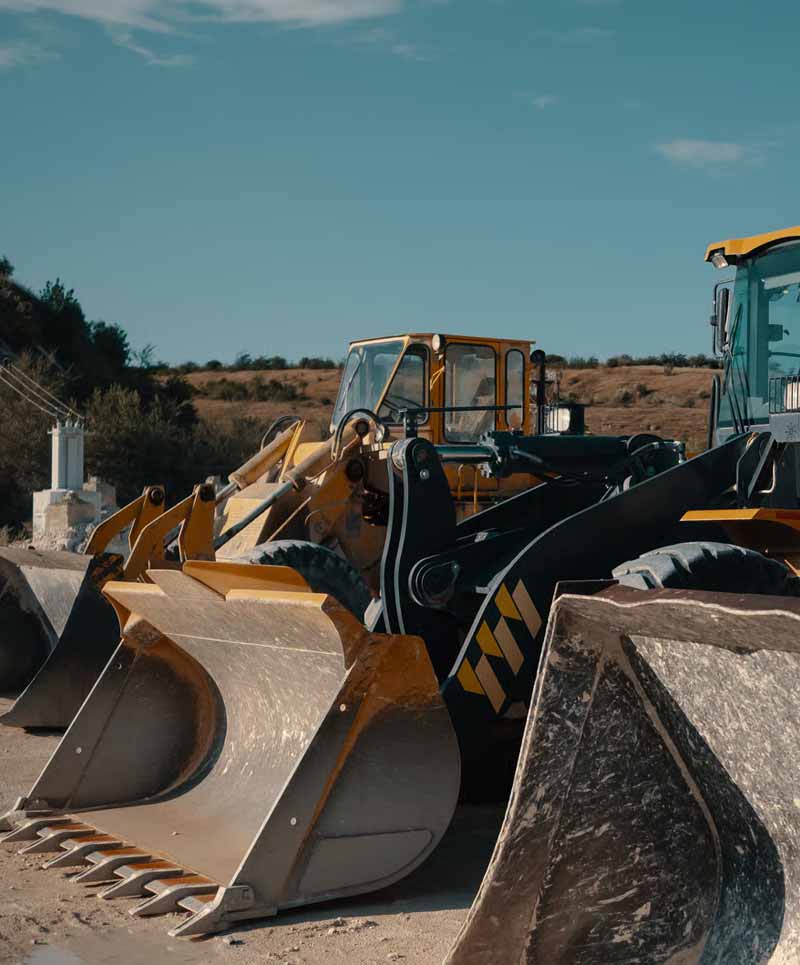
رؤى سوق المعدات العالمية
بحسب تقرير سوق معدات البناء العالمية 2025:
- معدل نمو سوق الحفارات: ~5.8% CAGR
- معدل نمو سوق الجرافات: ~3.9% CAGR
محركات السوق الرئيسية
- التوسع الحضري
- برامج الاستثمار في البنية التحتية
- اعتماد تكنولوجيا البناء الذكية
- تحسينات التنظيم البيئي
استراتيجيات تحسين إنتاجية عمل الجرافة مقابل الحفارة
استراتيجية المعدات الهجينة
تستخدم مشاريع البناء الحديثة بشكل متزايد سير عمل الآلات المجمعة
- الجرافات لتشكيل المستوى الكلي
- حفارات للدقة على المستوى الجزئي
يعمل هذا المزيج على تحسين إنتاجية الموقع بما يصل إلى 30–50%.
تكامل البناء الرقمي
استخدام المشاريع المتقدمة:
- أنظمة تصنيف GPS على الجرافات
- نمذجة الحفر ثلاثية الأبعاد للحفارات
- أنظمة تتبع الأسطول في الوقت الحقيقي
تعمل هذه التقنيات على تقليل الأخطاء التشغيلية وتحسين كفاءة استهلاك الوقود.
تحليل سلامة عمل الجرافة مقابل الحفارة
مخاطر سلامة الجرافة
- رؤية خلفية محدودة
- التعرض للاهتزازات العالية
- عدم استقرار التضاريس المنحدرة
مخاطر سلامة الحفارة
- مخاطر نصف قطر التأرجح
- مخاطر الفشل الهيدروليكي
- مخاطر الانقلاب الزائد
الامتثال لمعايير السلامة
- إدارة السلامة والصحة المهنية 1926 الجزء الفرعي P (الحفريات)
- ISO 20474 سلامة آلات تحريك التربة
- توجيهات سلامة آلة CE
الجرافة مقابل الأثر البيئي لعمل الحفارة
مقارنة الانبعاثات
لقد أدت المحركات الحديثة من المستوى 4/المرحلة الخامسة إلى تقليل الانبعاثات بشكل كبير
- الجرافات: حرق أعلى للوقود، وإنتاج أعلى لثاني أكسيد الكربون
- الحفارات: الكفاءة الهيدروليكية المحسنة تقلل من هدر الوقود
تحليل تأثير التربة
- الجرافات: اضطراب سطحي أعلى
- الحفارات: تأثير التربة الموضعي
غالبًا ما يفضل المخططون البيئيون الحفارات للمناطق البيئية الحساسة.
إطار اختيار عمل الجرافة مقابل الحفارة
مصفوفة صنع القرار
| حالة المشروع | الآلة الموصى بها |
|---|---|
| تطهير الأراضي الكبيرة | جرافة |
| الحفر العميق | حفارة |
| تصنيف الطريق | جرافة |
| حفر خطوط الأنابيب | حفارة |
| العمليات المختلطة | كلا الجهازين |
منطق القرار الهندسي
- إذا كانت الحركة الأفقية هي المهيمنة → البلدوزر
- إذا سيطر الحفر العمودي → الحفارة
خاتمة
المقارنة بين أعمال الجرافة مقابل الحفارات يوضح أن كلا الآلتين مكونان أساسيان لأنظمة هندسة البناء الحديثة. تهيمن الجرافات على تحويل الأسطح السائبة، بينما تقود الحفارات في الحفر الدقيق ومعالجة المواد.
وعندما يتم استخدامها معًا في سير العمل الأمثل، فإنها تعمل على تحسين الإنتاجية بشكل كبير، وتقليل تكاليف التشغيل، وتعزيز سلامة المشروع. أصبح هذا التآزر الآن ممارسة قياسية في تطوير البنية التحتية العالمية وهندسة البناء الثقيلة.
الأسئلة الشائعة
ما هو الفرق الرئيسي في جرافة مقابل عمل الحفارات؟
وتركز الجرافات على الدفع والتصنيف، بينما تركز الحفارات على عمليات الحفر والرفع.
ما هي الآلة الأكثر كفاءة لتحريك التربة على نطاق واسع؟
تعتبر الجرافات بشكل عام أكثر كفاءة لحركة المواد السائبة لمسافات قصيرة.
هل يمكن للحفارات أن تحل محل الجرافات؟
لا. لا يمكن للحفارات مطابقة الجرافات في كفاءة التسوية السطحية المستمرة.
ما هي الآلة الأكثر تنوعا؟
تعد الحفارات أكثر تنوعًا بسبب الملحقات القابلة للتبديل.
هل تستخدم مشاريع البناء كلا الجهازين معًا؟
نعم، تتكامل معظم المشاريع واسعة النطاق لتحقيق أقصى قدر من الكفاءة.
حول Dingtui
تتخصص الشركة في البحث والتطوير وتصنيع الجرافات الكبيرة والمكونات الأساسية، وتقدم خط إنتاج شامل يغطي مجموعة كاملة من آلات البناء الثقيلة.
تواصل معنا
اتصل بنا للحصول على تفاصيل المنتج والأسعار والدعم الفني. فريقنا على استعداد لمساعدتك في إيجاد حلول موثوقة لمشاريعك.